
How To Take Care Of A Dog | New Dog Owners Complete Guide
Learn how to take care of a dog with this complete guide for new dog owners. Discover feeding, training, exercise, grooming, health care, and expert tips for raising a happy, healthy dog.
Taking care of a dog means providing proper nutrition, fresh water, exercise, training, veterinary care, grooming, mental stimulation, and a safe home environment. Dogs thrive when owners establish consistent routines and meet both their physical and emotional needs.
Table of Contents
- Introduction
- Why Proper Dog Care Matters
- Preparing for a New Dog
- Essential Supplies Every Dog Needs
- Creating a Safe Home Environment
- Feeding and Nutrition
- Exercise and Physical Activity
- Mental Stimulation
- Training and Socialization
- Grooming and Hygiene
- Veterinary Care
- Common Mistakes to Avoid
- Expert Strategies Most Beginners Miss
- Frequently Asked Questions
- Internal Linking Opportunities
- Affiliate Opportunities
- Conclusion
Introduction
Bringing a dog into your home can be one of the most rewarding experiences of your life.
Dogs offer companionship, unconditional love, and countless moments of joy. They become family members, exercise partners, and trusted friends. However, owning a dog also comes with significant responsibilities.
Many first-time owners underestimate how much work goes into caring for a dog properly. Feeding, exercise, training, veterinary visits, grooming, and daily attention all require time and commitment.
The good news is that you don’t need to be an expert to become an excellent dog owner.
Learning a few fundamental principles can dramatically improve your dog’s health and happiness.
This guide will walk you through everything you need to know from preparing your home to developing healthy daily routines that allow your dog to thrive.
Why Proper Dog Care Matters
Dogs depend entirely on their owners.
Every meal, walk, medical appointment, and play session directly impacts their physical and emotional well-being.
Proper care helps:
- Increase life expectancy
- Reduce preventable illnesses
- Prevent behavioral problems
- Strengthen the owner-dog bond
- Improve emotional health
- Lower long-term veterinary costs
A well-cared-for dog is generally:
- More confident
- Better behaved
- Easier to train
- More social
- Happier overall
Quick Answer
Proper dog care improves health, behavior, and quality of life while helping dogs live longer and happier lives.
Key Takeaway
The small things you do every day matter more than occasional big efforts.
Preparing for a New Dog
Bringing home a dog requires planning.
Preparation reduces stress for both you and your new companion.
Before bringing your dog home, ask yourself:
- Do I have enough time?
- Can I afford veterinary care?
- Am I prepared for long-term responsibility?
- Is my home dog-friendly?
- Who will care for my dog during travel?
Dogs often live between 10 and 15 years, depending on breed and size.
Adoption is a long-term commitment.
Choosing the Right Dog
No dog is perfect for everyone.
Consider:
Size
Large dogs require more space and often more exercise.
Energy Level
Some dogs need hours of activity daily.
Temperament
Certain breeds are naturally more independent, while others crave constant companionship.
Grooming Needs
Long-haired breeds require regular maintenance.
Training Difficulty
Some breeds learn quickly, while others require extra patience.
Common Mistake
Choosing a dog based solely on appearance.
The cutest puppy may not fit your lifestyle.
Expert Tip
Choose a dog that matches your activity level rather than the dog you wish you were.
Essential Supplies Every Dog Needs
Preparing your supplies before your dog arrives creates a smoother transition.
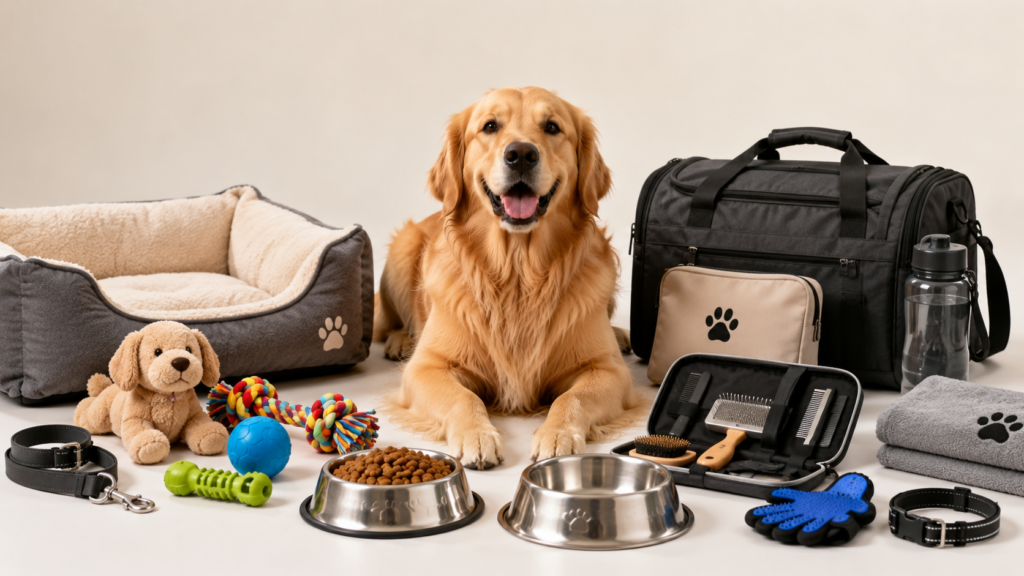
Food and Water Bowls
Choose durable bowls that are:
- Easy to clean
- Stable
- Appropriate for your dog’s size
Products that can help:
- Stainless steel bowls
- Elevated feeders
- Automatic water fountains
Look for:
- Non-slip bases
- Dishwasher-safe materials
- Durable construction
High-Quality Dog Food
Proper nutrition forms the foundation of good health.
Different dogs require different diets based on:
- Age
- Size
- Activity level
- Health conditions
Helpful products:
- Dry food
- Wet food
- Portion containers
- Food storage bins
Features to consider:
- Age-specific formulas
- High-quality ingredients
- Proper nutritional balance
Dog Bed
Dogs need a comfortable place to rest.
Benefits include:
- Better sleep quality
- Joint support
- Reduced anxiety
- Sense of security
Helpful products:
- Orthopedic beds
- Washable beds
- Cooling beds
Features to look for:
- Removable covers
- Durable materials
- Proper sizing
Collar and Identification Tags
Identification is critical.
Every dog should wear:
- Collar
- ID tag
- Updated contact information
Helpful products:
- Personalized ID tags
- GPS trackers
- Reflective collars
Features to consider:
- Durability
- Comfort
- Waterproof materials
Leash and Harness
Walking equipment improves safety and control.
Many dogs benefit from harnesses because they:
- Reduce neck strain
- Improve handling
- Increase comfort
Helpful products:
- Adjustable harnesses
- Training leashes
- Hands-free leashes
Features to consider:
- Padding
- Reflective strips
- Adjustable fit
Creating a Safe Home Environment
Dogs explore the world with their mouths.
Puppies especially chew almost everything.
Make your home safer by removing:
- Electrical cords
- Medications
- Toxic plants
- Small choking hazards
- Cleaning products
Create Designated Areas
Dogs thrive on routine.
Establish:
- Sleeping area
- Feeding area
- Play area
- Potty area
Predictability reduces stress and anxiety.
Secure the Yard
Inspect fencing regularly.
Look for:
- Gaps
- Loose boards
- Sharp objects
- Escape routes
Helpful products:
- Baby gates
- Playpens
- Crates
- Outdoor fencing solutions
Features to consider:
- Easy setup
- Durability
- Proper sizing
Key Takeaway
Successful dog ownership starts before your dog arrives home.
Proper preparation creates a safe, comfortable environment and helps your new companion adjust more easily.
Feeding, Nutrition, Exercise, Mental Stimulation, and Sleep
Feeding and Nutrition: Building the Foundation of a Healthy Dog
Nutrition is one of the most important aspects of dog care.
A healthy diet affects almost every part of your dog’s life, including energy levels, immune function, skin health, digestion, behavior, and life expectancy.
Many health problems that dogs experience later in life are linked to poor nutrition and obesity. Feeding your dog properly today can help prevent costly health issues in the future.
Why Proper Nutrition Matters
Good nutrition helps your dog:
- Maintain a healthy weight
- Build strong muscles and bones
- Support brain function
- Develop a healthy immune system
- Improve skin and coat health
- Maintain healthy digestion
- Increase energy levels
- Recover more quickly from illness
Food is more than something your dog eats every day. It’s fuel for every system in the body.
Understanding Your Dog’s Nutritional Needs
Not every dog requires the same diet.
Nutritional requirements depend on:
- Age
- Breed
- Activity level
- Size
- Health conditions
- Pregnancy status
- Metabolism
A growing puppy has different nutritional requirements than a senior dog.
An active working dog burns significantly more calories than a dog that spends most of the day indoors.
Understanding these differences helps you make better feeding decisions.
Dog Feeding Guidelines by Life Stage
| Life Stage | Feeding Frequency | Main Nutritional Focus |
| Puppy (8 weeks–6 months) | 3-4 meals daily | Growth and development |
| Young Adult | 2 meals daily | Energy and maintenance |
| Adult Dog | 2 meals daily | Weight management |
| Senior Dog | 1-2 meals daily | Joint and organ support |
Puppies Need More Frequent Meals
Puppies grow quickly.
Their bodies require:
- More calories
- Higher protein intake
- Balanced calcium and phosphorus
- Additional nutrients for brain development
Young puppies cannot consume large amounts of food at once.
Smaller, more frequent meals help:
- Stabilize blood sugar
- Support growth
- Improve digestion
- Prevent overeating
Adult Dogs Usually Thrive on Two Meals Per Day
Most healthy adult dogs do well eating:
- Morning meal
- Evening meal
Two meals per day can help:
- Maintain steady energy
- Reduce hunger
- Improve digestion
- Make portion control easier
Some dogs do fine with one meal daily, but many veterinarians and nutrition experts prefer twice-daily feeding.
Senior Dogs Have Unique Needs
Older dogs often experience:
- Lower energy levels
- Slower metabolism
- Joint problems
- Digestive changes
- Dental issues
Many seniors benefit from:
- Lower-calorie diets
- Joint-support ingredients
- Easily digestible proteins
- Increased omega fatty acids
Senior nutrition should focus on maintaining muscle while preventing unnecessary weight gain.
Quick Answer
Feed your dog according to age, size, and activity level. Most adult dogs thrive on two balanced meals each day.
Key Takeaway
There is no one-size-fits-all feeding plan. The best diet is one that matches your dog’s individual needs.
How Much Should You Feed Your Dog?
Overfeeding is one of the biggest mistakes new dog owners make.
Many owners mistake begging for hunger.
Dogs often eat because food is available.
Too much food can lead to:
- Obesity
- Joint problems
- Heart disease
- Diabetes
- Reduced life expectancy
Body Condition Matters More Than Cup Measurements
Every dog burns calories differently.
Two dogs of the same breed may require different amounts of food.
Pay attention to body condition.
A healthy dog should:
- Have a visible waist
- Have a slight abdominal tuck
- Have ribs that can be felt without excessive fat covering
Signs Your Dog May Be Overweight
- Difficulty exercising
- Heavy panting
- Lack of visible waist
- Difficulty feeling ribs
- Reduced activity levels
Excess weight places unnecessary stress on the entire body.
Signs Your Dog May Need More Food
- Visible ribs
- Low energy
- Poor muscle tone
- Excessive weight loss
- Constant hunger despite proper feeding
When in doubt, consult your veterinarian.
Understanding Dog Treats
Treats are useful.
They help with:
- Training
- Bonding
- Mental stimulation
- Positive reinforcement
However, treats should be used wisely.
Too many treats can lead to:
- Obesity
- Poor eating habits
- Digestive issues
- Nutritional imbalance
A general rule is that treats should make up no more than 10% of daily calories.
Helpful products:
- Training treats
- Portion-controlled treat containers
- Freeze-dried treats
- Healthy chew products
Features to look for:
- Limited ingredients
- Appropriate size
- Low-calorie options
- Easy digestibility
Water Requirements: The Nutrient Dogs Need Most
Water is often overlooked.
Yet water is more important than food in the short term.
Dogs can survive for days without eating.
They cannot survive long without water.
Water supports:
- Digestion
- Temperature regulation
- Organ function
- Nutrient absorption
- Circulation
- Joint lubrication
Fresh water should be available at all times.
Signs of Dehydration
Watch for:
- Dry gums
- Sunken eyes
- Lethargy
- Loss of appetite
- Heavy panting
- Sticky saliva
Dehydration can become serious quickly, especially during hot weather.
How to Encourage Better Hydration
Try:
- Cleaning bowls daily
- Providing multiple water stations
- Replacing water frequently
- Offering water during exercise
- Bringing water during trips
Some dogs simply drink more when water tastes fresh and remains cool.
Helpful products:
- Automatic water fountains
- Travel water bottles
- Spill-proof bowls
- Elevated water stations
Features to consider:
- Easy cleaning
- Large capacity
- Durable materials
- Quiet operation
Exercise Requirements: Keeping Your Dog Physically Healthy
Dogs are designed to move.
Without adequate physical activity, many dogs develop:
- Obesity
- Anxiety
- Destructive behaviors
- Hyperactivity
- Depression
- Poor muscle tone
Exercise benefits both physical and mental health.
Why Exercise Matters
Regular activity helps:
- Maintain healthy weight
- Improve cardiovascular health
- Strengthen muscles
- Improve flexibility
- Increase confidence
- Reduce stress
- Prevent boredom
Exercise is one of the most effective behavior-management tools available.
Exercise Needs by Energy Level
| Dog Type | Daily Exercise |
| Low Energy | 30-45 minutes |
| Moderate Energy | 60 minutes |
| High Energy | 90-120+ minutes |
These numbers are general guidelines.
Every dog is different.
Walking Your Dog
Walking provides:
- Physical exercise
- Mental stimulation
- Opportunities for socialization
- Training opportunities
- Bonding time
Many behavior issues improve simply because a dog receives regular walks.
Play Sessions
Dogs need opportunities to play.
Examples include:
- Fetch
- Tug games
- Hide-and-seek
- Obstacle courses
- Running games
Play strengthens your relationship while burning energy.
Signs Your Dog Needs More Exercise
- Excessive barking
- Chewing furniture
- Digging
- Restlessness
- Hyperactivity
- Attention-seeking behaviors
Often, the problem is not disobedience.
The problem is simply unused energy.
Common Exercise Mistakes
Exercising Puppies Too Much
Growing joints are delicate.
Excessive exercise may increase the risk of injuries.
Exercising During Extreme Heat
Dogs can overheat quickly.
Always monitor:
- Temperature
- Humidity
- Breathing
- Energy levels
Weekend-Only Exercise
Dogs benefit from consistency.
Daily activity usually works better than occasional intense exercise sessions.
Helpful products:
- Retractable leashes
- Hands-free leashes
- Interactive balls
- Frisbees
- Portable water containers
Features to consider:
- Durability
- Safety
- Appropriate sizing
- Ease of cleaning
Mental Stimulation: The Need Most Owners Forget
Exercise tires the body.
Mental stimulation tires the brain.
Many behavior problems occur because dogs are bored.
Dogs are intelligent animals.
Their brains need regular challenges.
Mental enrichment can:
- Reduce anxiety
- Decrease destructive behavior
- Improve confidence
- Increase learning ability
- Prevent boredom
Easy Ways to Provide Mental Stimulation
Training Sessions
Five to ten minutes of training can be surprisingly tiring.
Teach:
- Sit
- Stay
- Come
- Shake
- New tricks
Learning builds confidence.
Scent Games
Dogs experience the world primarily through smell.
Hide treats around the house and encourage searching.
Scent work provides excellent enrichment.
Puzzle Activities
Food puzzles encourage problem-solving.
They also slow down fast eaters.
Rotate Toys
Dogs often lose interest when toys remain available constantly.
Rotation keeps toys exciting.
Quick Answer
A mentally stimulated dog is usually calmer, happier, and easier to manage.
Key Takeaway
A tired brain often creates a tired dog.
Mental exercise can be just as valuable as physical exercise.
Helpful products:
- Puzzle toys
- Snuffle mats
- Treat dispensers
- Training clickers
- Interactive feeders
Features to consider:
- Adjustable difficulty
- Safety
- Durability
- Easy cleaning
Sleep Requirements: An Often Overlooked Health Need
Dogs need more sleep than most people realize.
Adult dogs generally sleep:
12 to 14 hours per day.
Puppies and senior dogs often sleep:
16 to 20 hours daily.
Sleep supports:
- Growth
- Healing
- Immune function
- Memory formation
- Emotional health
Signs Your Dog Is Not Getting Enough Rest
- Irritability
- Hyperactivity
- Difficulty concentrating
- Increased anxiety
- Reduced appetite
Sleep deprivation affects behavior and health.
Helping Your Dog Sleep Better
Provide:
- Comfortable bedding
- Consistent routines
- Quiet sleeping areas
- Adequate exercise
- Mental stimulation
Dogs thrive when they know what to expect each day.
Helpful products:
- Orthopedic beds
- Crate covers
- Cooling mats
- Heated beds
Features to consider:
- Washable covers
- Proper sizing
- Supportive materials
- Durability
Expert Insight
One of the biggest mistakes new owners make is assuming that dogs naturally know how to relax.
Many dogs actually need help creating balanced routines.
The ideal day often includes:
- Quality meals
- Fresh water
- Exercise
- Mental challenges
- Rest
- Social interaction
Meeting these basic needs dramatically improves behavior and overall well-being.
Statistics That Every Dog Owner Should Know
- More than half of pet dogs in the United States are considered overweight or obese.
- Mental stimulation can significantly reduce destructive behaviors in many dogs.
- Consistent exercise is associated with better behavior and improved quality of life.
- Preventive nutrition and healthy weight management may contribute to longer life expectancy.
Key Takeaway
Proper nutrition, exercise, mental stimulation, hydration, and sleep work together.
When one area suffers, the others often suffer as well.
Dogs thrive when their physical and emotional needs are met consistently every day.
Training, Socialization, House Training, Grooming, and Hygiene
Training Your Dog: Building Good Habits for Life
Training is one of the most important investments you can make as a dog owner.
Many people think training is simply teaching commands like “sit” and “stay.” In reality, training is much bigger than that. Training teaches your dog how to live safely and happily in your home and in the world around them.
A well-trained dog is generally:
- Easier to manage
- More confident
- Less stressed
- Safer around people and other animals
- More enjoyable to live with
Training also strengthens the bond between you and your dog.
Every interaction with your dog teaches something. Dogs are constantly learning whether you realize it or not.
Why Training Matters
Good training helps prevent many common behavioral problems, including:
- Excessive barking
- Jumping on people
- Pulling on the leash
- Chewing furniture
- Resource guarding
- Anxiety-related behaviors
- Aggression issues
Dogs thrive when they understand expectations.
Without guidance, many dogs become confused and frustrated.
Quick Answer
Training teaches your dog how to behave appropriately while improving communication and strengthening your relationship.
Key Takeaway
Training isn’t something you do for a few weeks. It’s a lifelong process that helps your dog become a happy and well-adjusted companion.
Start Training Immediately
Many new owners wait until their dog is older before starting training.
This is a mistake.
Dogs begin learning from the moment they enter your home.
Even very young puppies can learn:
- Their name
- Potty routines
- Simple commands
- Appropriate chewing habits
- Social skills
Early training often prevents bigger problems later.
Use Positive Reinforcement
Positive reinforcement is one of the most effective training methods.
The basic idea is simple:
Reward behaviors you want to see again.
Rewards may include:
- Treats
- Praise
- Toys
- Affection
- Playtime
Dogs repeat behaviors that produce positive outcomes.
Example
If your dog sits and receives a reward, they become more likely to sit again.
Over time, desired behaviors become habits.
Avoid Punishment-Based Training
Punishment may create:
- Fear
- Anxiety
- Aggression
- Loss of trust
- Confusion
Dogs learn best when training feels rewarding and enjoyable.
Instead of punishing mistakes:
- Redirect unwanted behavior
- Reward good choices
- Remain patient
- Be consistent
Essential Commands Every Dog Should Learn
Sit
Teaching “sit” helps:
- Improve focus
- Encourage calm behavior
- Manage excitement
- Improve safety
Stay
“Stay” can prevent dangerous situations.
Examples include:
- Preventing door escapes
- Avoiding traffic
- Managing guests
Come
A reliable recall command could potentially save your dog’s life.
Teach your dog to come when called by making it rewarding every time.
Never punish your dog for returning to you.
Leave It
This command helps prevent dogs from picking up dangerous items.
Examples include:
- Toxic foods
- Medications
- Trash
- Small objects
Down
Teaching your dog to lie down encourages relaxation and impulse control.
Helpful products:
- Training treats
- Clickers
- Treat pouches
- Long training leashes
Features to consider:
- Easy access
- Portable design
- Durable materials
- Adjustable sizing
The Importance of Consistency
Dogs learn through repetition.
Inconsistent rules confuse them.
For example:
If jumping on the couch is allowed today but forbidden tomorrow, your dog receives mixed messages.
Every family member should follow the same rules.
Consistency speeds up learning.
Keep Training Sessions Short
Many owners make training too complicated.
Short sessions often work best.
Aim for:
5 to 10 minutes several times daily.
Short sessions:
- Prevent boredom
- Improve focus
- Increase success
- Keep learning fun
Common Training Mistakes
Repeating Commands
Saying “sit” five times teaches your dog that the first four commands don’t matter.
Give the command once.
Wait patiently.
Reward success.
Expecting Too Much Too Quickly
Training takes time.
Dogs learn at different speeds.
Progress is rarely perfectly linear.
Celebrate small victories.
Training Only at Home
Dogs need to practice skills in different environments.
A dog that sits perfectly in the kitchen may struggle at a busy park.
Practice commands in:
- The yard
- Parks
- Sidewalks
- Friends’ homes
- Pet-friendly stores
Socialization: Raising a Confident Dog
Socialization means helping your dog feel comfortable in different situations.
Proper socialization teaches dogs that new experiences are safe.
A well-socialized dog is generally:
- More confident
- Less fearful
- Easier to handle
- Better behaved
Why Socialization Matters
Poor socialization can contribute to:
- Fearfulness
- Anxiety
- Aggression
- Excessive barking
- Reactivity
Early experiences shape how dogs view the world.
Introduce Your Dog to Different Experiences
Expose your dog to:
Different People
- Adults
- Children
- People wearing hats
- People using wheelchairs
- Delivery workers
Different Sounds
- Traffic
- Vacuum cleaners
- Thunder
- Fireworks recordings
- Household appliances
Different Surfaces
- Grass
- Wood floors
- Concrete
- Gravel
- Sand
Different Environments
- Parks
- Neighborhoods
- Busy streets
- Pet-friendly businesses
Let Your Dog Explore at Their Own Pace
Socialization should be positive.
Never force interactions.
If your dog appears uncomfortable:
- Increase distance
- Offer reassurance
- Use treats
- Move slowly
Positive experiences build confidence.
Helpful products:
- Portable treat bags
- Training harnesses
- Travel crates
- Long leashes
Features to consider:
- Comfort
- Safety
- Easy adjustment
- Portability
House Training Your Dog
House training is often the first major challenge for new owners.
Fortunately, most dogs learn quickly when owners remain patient and consistent.
Why Accidents Happen
Accidents occur because:
- Puppies have small bladders
- Dogs don’t understand the rules yet
- Schedules are inconsistent
- Bathroom opportunities are limited
Punishment rarely speeds up learning.
Create a Potty Schedule
Take your dog outside:
- First thing in the morning
- After meals
- After naps
- After play sessions
- Before bedtime
Consistency creates predictable habits.
Reward Success Immediately
Praise your dog immediately after they eliminate outdoors.
Dogs learn through timing.
The closer the reward is to the behavior, the stronger the lesson.
Supervise Indoors
Supervision prevents mistakes.
Watch for signs such as:
- Sniffing
- Circling
- Whining
- Pacing
These behaviors often indicate your dog needs to go outside.
Clean Accidents Properly
Dogs often return to previously soiled areas.
Use cleaners designed to remove pet odors completely.
Helpful products:
- Enzyme cleaners
- Puppy pads
- Indoor training grass systems
- Pet-safe cleaning supplies
Features to consider:
- Odor removal
- Safety
- Ease of use
- Absorbency
Preventing Common Behavior Problems
Many behavioral issues develop because a dog’s needs are not fully met.
Excessive Barking
Possible causes:
- Boredom
- Fear
- Lack of exercise
- Attention-seeking
- Anxiety
Address the underlying cause instead of simply correcting the barking.
Destructive Chewing
Chewing is natural.
Dogs chew to:
- Relieve stress
- Explore objects
- Ease teething discomfort
- Release energy
Provide appropriate chew outlets.
Helpful products:
- Durable chew toys
- Puzzle feeders
- Interactive toys
- Long-lasting chews
Features to consider:
- Safety
- Durability
- Appropriate size
- Easy cleaning
Jumping on People
Dogs often jump because it works.
They receive:
- Attention
- Touch
- Excitement
Teach alternative behaviors such as sitting politely.
Reward calm greetings consistently.
Grooming and Hygiene: More Than Looking Good
Grooming is not simply cosmetic.
Regular grooming supports health and comfort.
Benefits include:
- Health monitoring
- Reduced shedding
- Healthier skin
- Better hygiene
- Improved comfort
- Stronger bonding
Brushing Your Dog
Brushing removes:
- Dirt
- Loose fur
- Dead hair
- Debris
It also distributes natural oils throughout the coat.
Benefits of Regular Brushing
Regular brushing can:
- Reduce shedding
- Prevent mats
- Improve skin health
- Allow early detection of abnormalities
Brushing Frequency
| Coat Type | Recommended Brushing |
| Short coat | 1-2 times weekly |
| Medium coat | Several times weekly |
| Long coat | Daily |
| Curly coat | Daily or near daily |
Helpful products:
- Slicker brushes
- Deshedding tools
- Grooming gloves
- Dematting combs
Features to consider:
- Comfortable handles
- Durable bristles
- Easy cleaning
- Appropriate coat compatibility
Bathing Your Dog
Most dogs do not need frequent baths.
Overbathing may:
- Dry the skin
- Remove natural oils
- Cause irritation
Bath frequency depends on:
- Coat type
- Lifestyle
- Health conditions
- Activity level
Tips for Successful Bathing
Use:
- Lukewarm water
- Dog-specific shampoo
- Plenty of positive reinforcement
Dry thoroughly after bathing.
Helpful products:
- Dog shampoo
- Conditioning sprays
- Absorbent towels
- Grooming dryers
Features to consider:
- Gentle ingredients
- Hypoallergenic formulas
- Easy rinsing
- Moisturizing properties
Nail Care
Long nails can cause:
- Pain
- Poor posture
- Difficulty walking
- Joint stress
Check nails regularly.
Some active dogs naturally wear their nails down, while others need frequent trimming.
Helpful products:
- Nail clippers
- Nail grinders
- Styptic powder
Features to consider:
- Safety guards
- Comfortable grips
- Quiet operation
Ear Care
Healthy ears should appear:
- Clean
- Odor-free
- Free of excessive debris
Watch for:
- Redness
- Swelling
- Odor
- Frequent scratching
Helpful products:
- Ear-cleaning solutions
- Cotton pads
- Ear wipes
Features to consider:
- Gentle ingredients
- Alcohol-free formulas
- Easy application
Dental Care: One of the Most Neglected Areas of Dog Health
Dental disease affects many dogs during their lifetime.
Poor dental health can contribute to:
- Bad breath
- Tooth loss
- Pain
- Infection
- Difficulty eating
In severe cases, bacteria may affect major organs.
Signs of Dental Problems
- Bad breath
- Bleeding gums
- Yellow buildup
- Difficulty chewing
- Pawing at the mouth
How to Improve Dental Health
Brush Teeth Regularly
Brushing is one of the best preventive tools available.
Provide Dental Chews
Appropriate chews may help reduce plaque buildup.
Schedule Veterinary Exams
Professional evaluations identify problems early.
Helpful products:
- Dog toothbrushes
- Enzymatic toothpaste
- Dental chews
- Finger brushes
Features to consider:
- Pet-safe ingredients
- Appropriate sizing
- Ease of use
- Veterinary recommendations
Expert Insight
Many new dog owners focus heavily on food and toys while overlooking training, socialization, and preventive grooming.
In reality, these areas significantly influence long-term health and behavior.
Dogs thrive when they receive:
- Consistent training
- Positive social experiences
- Regular grooming
- Good dental care
- Daily interaction
Small habits practiced consistently often produce extraordinary long-term results.
Key Takeaway
Training and grooming are not optional extras.
They are essential components of responsible dog ownership that improve health, safety, behavior, and overall quality of life.
Veterinary Care, Preventive Medicine, Emergencies, Senior Dog Care, and Long-Term Wellness
Veterinary Care: The Foundation of a Healthy Life
One of the biggest responsibilities of dog ownership is providing proper veterinary care.
Many illnesses can be prevented, treated, or managed more successfully when detected early.
Regular veterinary care helps your dog:
- Live longer
- Stay healthier
- Avoid unnecessary pain
- Maintain a healthy weight
- Prevent serious diseases
- Detect medical problems early
Dogs age much faster than humans. A lot can change in a relatively short period.
Routine checkups allow your veterinarian to monitor your dog’s health and identify issues before they become major problems.
Why Preventive Care Matters
Preventive medicine focuses on avoiding health problems before they occur.
Preventive care generally costs less than treating serious diseases.
For example:
Treating advanced dental disease, severe infections, or emergency conditions often costs significantly more than routine wellness visits.
Prevention is almost always the better approach.
Quick Answer
Routine veterinary care helps prevent disease, detect health problems early, and improve your dog’s quality of life.
Key Takeaway
Regular checkups are one of the most valuable investments you can make in your dog’s long-term health.
How Often Should Your Dog Visit the Veterinarian?
The answer depends on your dog’s age and health status.
Puppies
Puppies often need several veterinary visits during their first year.
These visits allow veterinarians to:
- Monitor growth
- Administer vaccinations
- Check for congenital issues
- Discuss nutrition
- Address behavioral questions
Healthy Adult Dogs
Most healthy adult dogs should receive:
At least one wellness examination every year.
Annual examinations help:
- Monitor weight
- Assess dental health
- Review nutrition
- Screen for disease
- Update preventive care plans
Senior Dogs
Senior dogs often benefit from examinations every six months.
Older dogs may develop:
- Arthritis
- Heart disease
- Kidney disease
- Diabetes
- Vision problems
- Cognitive decline
More frequent monitoring allows earlier intervention.
What Happens During a Wellness Exam?
A routine veterinary examination often includes:
- Weight assessment
- Body condition evaluation
- Heart examination
- Lung examination
- Dental inspection
- Ear and eye evaluation
- Joint assessment
- Skin and coat evaluation
- Discussion about diet and behavior
These visits are opportunities to ask questions and discuss concerns.
Helpful products:
- Pet health record organizers
- Medication organizers
- Digital pet scales
- Pet care planners
Features to consider:
- Easy tracking
- Durable design
- Mobile accessibility
- Storage organization
Vaccinations: Protecting Your Dog from Serious Diseases
Vaccinations are one of the most important advances in veterinary medicine.
Vaccines help train your dog’s immune system to recognize and fight dangerous diseases.
Some illnesses that were once common are now far less frequent because of widespread vaccination programs.
Why Vaccinations Matter
Vaccines can help protect against diseases that may cause:
- Severe illness
- Permanent complications
- Expensive treatments
- Death
Vaccination not only protects your dog but also helps protect other animals.
Core Vaccines
Veterinarians generally recommend several core vaccines because the diseases they prevent are widespread and potentially severe.
Core vaccines may include protection against:
- Rabies
- Distemper
- Parvovirus
- Adenovirus
Vaccination schedules vary based on:
- Age
- Location
- Lifestyle
- Risk factors
Always follow your veterinarian’s recommendations.
Non-Core Vaccines
Some vaccines are recommended depending on your dog’s lifestyle.
Examples may include protection against diseases associated with:
- Boarding facilities
- Dog parks
- Travel
- Tick exposure
Your veterinarian can help determine which vaccines are appropriate.
Common Vaccination Mistakes
Skipping Boosters
Immunity may decrease over time.
Booster schedules are important.
Assuming Indoor Dogs Need Nothing
Even dogs that spend most of their time indoors can encounter infectious diseases.
Missing Puppy Vaccination Series
Puppies are particularly vulnerable.
Completing the recommended schedule is extremely important.
Helpful products:
- Vaccination record books
- Digital pet health apps
- Travel document organizers
Features to consider:
- Easy record storage
- Mobile reminders
- Secure backups
Parasite Prevention: Protecting Your Dog Year-Round
Parasites are far more than a nuisance.
Some can cause serious illness.
Others may affect both animals and people.
Prevention is usually much easier than treatment.
Fleas
Fleas can cause:
- Itching
- Skin irritation
- Allergic reactions
- Secondary infections
Heavy infestations may even contribute to anemia in severe cases.
Ticks
Ticks can transmit diseases.
They may attach to dogs during:
- Walks
- Hiking trips
- Yard activities
- Outdoor adventures
Regular tick checks are important.
Intestinal Parasites
Intestinal parasites may cause:
- Digestive upset
- Weight loss
- Poor growth
- Diarrhea
Puppies are particularly susceptible.
Heartworms
Heartworm disease is serious and potentially fatal.
Heartworms affect:
- The heart
- Blood vessels
- Lungs
Treatment can be difficult and expensive.
Prevention is much easier.
Key Takeaway
Year-round parasite prevention is one of the simplest ways to protect your dog’s health.
Helpful products:
- Flea combs
- Tick removal tools
- Grooming wipes
- Outdoor protection accessories
Features to consider:
- Easy use
- Safety
- Durability
- Portability
Understanding Common Health Warning Signs
Dogs cannot tell us when they feel unwell.
Owners must learn to recognize warning signs.
Signs That May Indicate Illness
Watch for:
- Loss of appetite
- Vomiting
- Diarrhea
- Excessive thirst
- Difficulty breathing
- Limping
- Lethargy
- Sudden behavior changes
- Persistent coughing
- Weight changes
Even subtle changes can be important.
Trust your instincts.
You know your dog’s normal behavior better than anyone.
Keep a Health Journal
Recording changes can help your veterinarian identify patterns.
Track:
- Appetite
- Weight
- Medications
- Symptoms
- Energy levels
Small observations often provide valuable clues.
Helpful products:
- Pet journals
- Medication trackers
- Smart collars
- Activity monitors
Features to consider:
- Easy logging
- Data tracking
- Mobile syncing
- Long battery life
Emergency Preparedness: Be Ready Before You Need It
Medical emergencies happen unexpectedly.
Preparation can save valuable time.
Build a Pet First Aid Kit
Consider including:
- Gauze
- Bandages
- Pet-safe antiseptic supplies
- Disposable gloves
- Emergency contact numbers
- Digital thermometer
- Towels
Store the kit somewhere easily accessible.
Know Your Emergency Contacts
Save contact information for:
- Primary veterinarian
- Emergency animal hospital
- Pet poison helpline
- Trusted family members
During emergencies, having information readily available reduces stress.
Signs That Require Immediate Veterinary Attention
Seek emergency care if your dog experiences:
- Difficulty breathing
- Collapse
- Seizures
- Severe bleeding
- Loss of consciousness
- Suspected poisoning
- Severe trauma
- Inability to urinate
- Distended abdomen
- Repeated vomiting
Never ignore symptoms that appear severe or sudden.
- Pet first aid kits
- Emergency travel carriers
- Car safety harnesses
- Emergency contact tags
Features to consider:
- Portability
- Organization
- Durable construction
- Easy access
Weight Management: One of the Most Overlooked Health Priorities
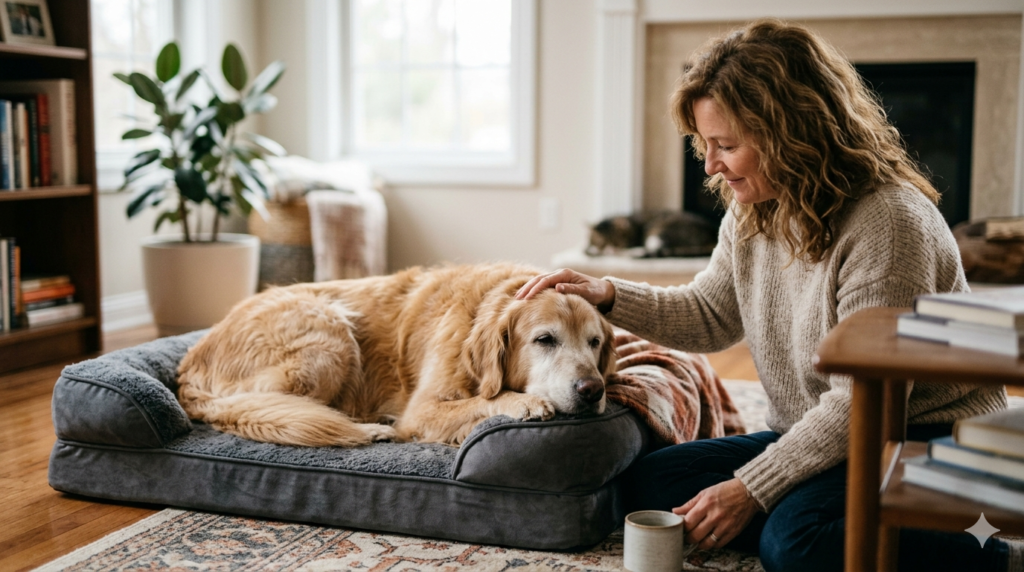
Excess weight places additional strain on nearly every body system.
Obesity increases the risk of:
- Joint disease
- Heart disease
- Diabetes
- Reduced mobility
- Lower quality of life
Healthy weight management should be part of every dog’s care plan.
Maintaining a Healthy Weight
Focus on:
- Proper portions
- Regular exercise
- Limiting treats
- Routine weight checks
- Veterinary guidance
Small weight gains can become significant over time.
Quick Answer
Maintaining a healthy weight may improve mobility, energy levels, and overall life expectancy.
Helpful products:
- Portion scoops
- Measuring containers
- Smart feeders
- Digital scales
Features to consider:
- Accurate measurements
- Easy cleaning
- Programmable settings
Senior Dog Care: Helping Older Dogs Thrive
Aging is a natural part of life.
Senior dogs deserve extra attention and care.
Many older dogs remain happy and active for years with proper management.
Common Changes in Senior Dogs
Older dogs may experience:
- Reduced energy
- Joint stiffness
- Hearing loss
- Vision changes
- Cognitive decline
- Weight fluctuations
- Dental disease
Aging itself is not a disease.
However, changes should never be ignored.
Supporting Joint Health
Joint discomfort becomes more common with age.
Help support mobility by:
- Maintaining healthy weight
- Providing comfortable bedding
- Using non-slip flooring
- Keeping exercise consistent
Moderate movement usually benefits aging joints
Helpful products:
- Orthopedic beds
- Non-slip mats
- Mobility harnesses
- Elevated feeding stations
Features to consider:
- Joint support
- Washable materials
- Easy access
- Durability
Mental Stimulation for Senior Dogs
Older dogs still enjoy learning.
Mental enrichment may help:
- Reduce boredom
- Encourage activity
- Maintain confidence
- Support cognitive health
Activities may include:
- Puzzle toys
- Gentle training sessions
- Scent games
- Interactive play
Helpful products:
- Senior puzzle toys
- Slow feeders
- Interactive games
- Soft chew toys
Features to consider:
- Easy difficulty levels
- Comfortable textures
- Safe materials
Creating a Long-Term Wellness Plan
Excellent dog care is not about perfection.
It is about consistency.
Long-term wellness comes from small habits practiced daily.
Daily Wellness Checklist
Provide:
✓ Fresh water
✓ Proper nutrition
✓ Exercise
✓ Mental stimulation
✓ Training
✓ Social interaction
✓ Grooming checks
✓ Safe sleeping environment
Monthly Wellness Checklist
Review:
✓ Weight
✓ Nails
✓ Parasite prevention
✓ Dental health
✓ Supplies
✓ Behavior changes
Annual Wellness Checklist
Schedule:
✓ Veterinary examinations
✓ Vaccinations
✓ Laboratory screening when recommended
✓ Dental evaluations
✓ Updated identification information
Expert Insight
The healthiest dogs usually do not benefit from one extraordinary thing.
Instead, they benefit from hundreds of small decisions made consistently over many years.
Regular exercise.
Healthy food.
Preventive care.
Mental stimulation.
Routine veterinary visits.
Loving interaction.
These seemingly simple habits have enormous long-term effects.
Key Takeaway
Veterinary care is not only about treating illness.
It is about creating a lifelong wellness strategy that helps your dog enjoy more healthy, comfortable, and happy years.
15 Common Mistakes New Dog Owners Should Avoid
Even loving owners can make mistakes.
Fortunately, most mistakes are easy to correct once you understand what your dog truly needs.
1. Choosing a Dog for Looks Instead of Lifestyle
That adorable puppy may grow into a highly energetic dog that needs hours of exercise every day.
Always consider:
- Energy level
- Size
- Grooming requirements
- Temperament
- Training needs
A good match creates a happier experience for both you and your dog.
2. Overfeeding
Many owners unknowingly overfeed.
Extra treats and oversized portions can quickly lead to obesity.
Remember:
Healthy weight contributes to:
- Better mobility
- Lower disease risk
- Improved quality of life
- Longer lifespan
3. Skipping Exercise
Exercise is not optional.
Without adequate activity, dogs may become:
- Hyperactive
- Destructive
- Anxious
- Overweight
A tired dog is usually a better-behaved dog.
4. Ignoring Mental Stimulation
Physical exercise alone isn’t enough.
Dogs need:
- Training
- Problem-solving activities
- Play
- Exploration
- New experiences
Mental enrichment often reduces unwanted behaviors.
5. Inconsistent Rules
Dogs thrive on routine.
Mixed messages create confusion.
For example:
If jumping on furniture is allowed one day and prohibited the next, your dog won’t understand expectations.
Consistency is one of the keys to successful training.
6. Delaying Training
Training should begin immediately.
Waiting for your dog to “grow out of” undesirable behaviors often makes those habits harder to change.
7. Using Punishment
Punishment can create:
- Fear
- Anxiety
- Distrust
- Aggression
Positive reinforcement generally produces better long-term results.
8. Skipping Preventive Veterinary Care
Many serious illnesses are easier and less expensive to address when discovered early.
Routine examinations matter.
9. Neglecting Dental Care
Poor dental health can contribute to:
- Pain
- Infection
- Tooth loss
- Difficulty eating
Dental care should be part of every dog’s wellness routine.
10. Failing to Socialize Properly
Poor socialization may contribute to:
- Fearfulness
- Anxiety
- Reactivity
Positive experiences help build confidence.
11. Leaving Dogs Alone Too Often
Dogs are social animals.
Extended isolation can contribute to:
- Stress
- Destructive behavior
- Separation anxiety
12. Allowing Unwanted Behaviors to Continue
Small problems often become larger problems over time.
Address issues early.
13. Ignoring Grooming Needs
Regular grooming supports:
- Skin health
- Coat health
- Comfort
- Early health detection
14. Expecting Perfection
Training takes time.
Progress usually happens gradually.
Celebrate improvements.
15. Forgetting That Every Dog Is Different
There is no universal formula.
Pay attention to your dog’s:
- Personality
- Preferences
- Energy levels
- Medical needs
Individualized care produces the best outcomes.
Quick Answer
Most dog-care mistakes happen because owners underestimate the importance of consistency, training, and preventive care.
Key Takeaway
Small daily habits determine your dog’s long-term health and behavior.
Expert Strategies Most Beginners Miss
The healthiest and happiest dogs often benefit from simple strategies that many owners overlook.
Create Predictable Daily Routines
Dogs love predictability.
Try maintaining regular times for:
- Meals
- Walks
- Training
- Playtime
- Bedtime
Routine reduces stress and builds confidence.
Train Throughout the Day
Training doesn’t require hour-long sessions.
Use everyday moments.
Ask your dog to:
- Sit before meals
- Wait at doors
- Come when called
- Lie down during family time
Short sessions create excellent learning opportunities.
Use Meals as Enrichment
Instead of serving food only in bowls, occasionally use:
- Food puzzles
- Snuffle mats
- Training exercises
This provides mental stimulation while slowing fast eating.
Learn Your Dog’s Body Language
Dogs communicate constantly.
Watch for signs of:
Relaxation
- Soft eyes
- Loose body posture
- Gentle tail wagging
Stress
- Lip licking
- Yawning
- Avoidance
- Tucked tail
Understanding body language improves communication.
Practice Preventive Care Daily
Look for:
- Changes in appetite
- New lumps
- Limping
- Ear problems
- Weight changes
Early detection often improves outcomes.
Prioritize Relationship Building
Dogs want:
- Safety
- Guidance
- Attention
- Positive experiences
Strong relationships improve training and overall well-being.
Dog Care Comparison Tables
Puppy vs Adult Dog Care
| Category | Puppy | Adult Dog |
| Meals | 3-4 daily | 2 daily |
| Exercise | Short sessions | Moderate to high activity |
| Sleep | 16-20 hours | 12-14 hours |
| Training | Basic foundations | Continued reinforcement |
| Veterinary Visits | Frequent | Usually annual |
Low-Energy vs High-Energy Dogs
| Category | Low-Energy Dog | High-Energy Dog |
| Exercise | 30-45 minutes | 90-120+ minutes |
| Mental Stimulation | Moderate | High |
| Training Needs | Moderate | Extensive |
| Risk of Boredom | Lower | Higher |
| Activity Requirements | Basic | Significant |
Grooming Requirements by Coat Type
| Coat Type | Brushing Frequency | Bathing Needs |
| Short Coat | Weekly | Occasional |
| Medium Coat | Several times weekly | Moderate |
| Long Coat | Daily | Moderate |
| Curly Coat | Daily | Frequent grooming maintenance |
Frequently Asked Questions
1. How often should I feed my dog?
Most adult dogs do well with two meals per day. Puppies generally require more frequent feedings.
2. How much exercise does my dog need?
Exercise needs vary according to:
- Age
- Breed
- Health
- Energy level
Most dogs need at least 30 to 60 minutes of activity daily.
3. How often should I walk my dog?
Many dogs benefit from at least one or two walks every day.
4. How often should I bathe my dog?
Bathing frequency depends on:
- Coat type
- Activity level
- Lifestyle
Most dogs do not require weekly baths.
5. How often should I brush my dog’s teeth?
Daily brushing is ideal.
Even several times per week can provide meaningful benefits.
6. How often should my dog visit the veterinarian?
Healthy adult dogs usually benefit from annual wellness examinations.
Senior dogs may require more frequent evaluations.
7. Is crate training cruel?
No.
When introduced properly, crates often become safe and comfortable resting places.
8. How long can dogs stay alone?
This varies greatly.
Most dogs should not routinely be left alone for extended periods without proper planning.
9. Why does my dog chew everything?
Chewing may occur because of:
- Teething
- Boredom
- Stress
- Lack of exercise
Appropriate chew outlets are important.
10. Why does my dog bark excessively?
Excessive barking may result from:
- Fear
- Excitement
- Anxiety
- Boredom
- Attention-seeking
Address the underlying cause.
11. How can I stop my dog from pulling on the leash?
Use:
- Positive reinforcement
- Patience
- Consistent training
- Appropriate equipment
Leash manners improve gradually.
12. Do indoor dogs need preventive care?
Absolutely.
Indoor dogs still need:
- Veterinary care
- Exercise
- Mental stimulation
- Preventive health management
13. How can I tell if my dog is overweight?
Look for:
- Lack of visible waist
- Difficulty feeling ribs
- Reduced stamina
Your veterinarian can assess body condition.
14. Why is my dog suddenly behaving differently?
Behavior changes may indicate:
- Stress
- Pain
- Illness
- Environmental changes
Sudden changes should never be ignored.
15. What is the most important part of dog care?
Consistency.
Daily routines involving:
- Nutrition
- Exercise
- Training
- Veterinary care
- Mental stimulation
- Love and attention
Conclusion: How to Take Care of a Dog Successfully
Taking care of a dog isn’t about being perfect.
It’s about being consistent.
Dogs depend on us for nearly everything:
- Food
- Water
- Exercise
- Training
- Veterinary care
- Mental stimulation
- Safety
- Love
The good news is that exceptional dog care doesn’t require complicated routines.
Simple daily habits make the biggest difference.
Feed your dog properly.
Provide exercise and enrichment.
Train with patience and kindness.
Schedule preventive veterinary care.
Pay attention to changes in behavior and health.
Most importantly, enjoy the journey.
The relationship you build with your dog through daily care, trust, and companionship is one of the most rewarding experiences of pet ownership.
When you consistently meet your dog’s physical and emotional needs, you’re not simply caring for a pet.
You’re helping a loyal companion live a healthier, happier, and longer life.
Congratulations!
Affiliate Disclosure: All Links Are Affiliate Links. If You purchase through these links, will get small commission without any extra costing to You.
Written By : Amnwd Alex.