
It is heartbreaking to watch your furry best friend suffer from tummy troubles without best dog food for sensetive stomach and allergies.
If your pup constantly deals with loose stools, random vomiting, or excessive gas, you are not alone. Millions of pet parents face this exact challenge every single day. Finding the best dog food for sensitive stomach issues can completely transform your dog’s quality of life, turning a miserable pup into a vibrant, energetic companion.
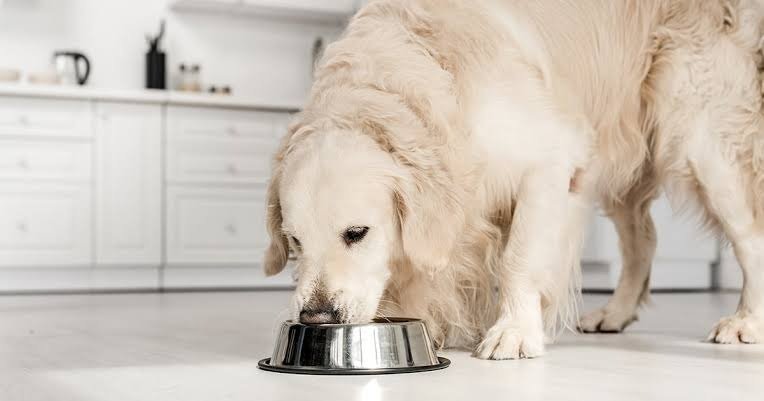
Finding the right diet can ease your dog’s digestive struggles.. Source: Diamond Pet Foods
Every dog has a unique digestive system, and what works for the neighbor’s lab might cause absolute chaos in your golden retriever’s gut. In this comprehensive guide, we will break down the science behind canine digestive issues, highlight what ingredients to look for, and help you choose a diet that keeps those tail wags coming.
Table of Contents
- Signs Your Dog Has a Sensitive Stomach
- What Causes Digestive Issues in Dogs?
- Key Features of the Best Dog Food for Sensitive Stomach
- Top Ingredients to Look For and Avoid
- The Best Food Options Compared
- Benefits of Switching to a Sensitive Stomach Diet
- Common Mistakes Pet Owners Make
- Expert Tips for Managing Tummy Troubles
- Frequently Asked Questions (FAQs)
- Conclusion & Takeaways
Signs Your Dog Has a Sensitive Stomach
Before changing your dog’s diet, you need to recognize the signs of sensitive stomach in dogs. Gastrointestinal (GI) distress can manifest in several ways, some more subtle than others.
Keep an eye out for these frequent symptoms:
- Chronic Loose Stools or Diarrhea: Soft, unformed stools that occur regularly rather than as a one-off event.
- Frequent Vomiting: Throwing up undigested food or yellow bile on a weekly basis.
- Excessive Flatulence: Smelly gas that can clear a room, usually occurring shortly after mealtime.
- Gurgling Tummy: Loud, audible noises coming from your dog’s abdomen.
- Lethargy After Eating: A noticeable drop in energy right after a meal, indicating their body is working too hard to digest.
- Nausea Behavior: Constant lip-licking, gulping air, or eating grass.
Distinguishing a Sensitive Tummy from Food Allergies
It is common to confuse a standard sensitive stomach with a true food allergy. While a sensitive stomach is a localized digestive issue (the food simply doesn’t agree with them), an allergy involves the immune system.
Common dog food allergy symptoms include chronic ear infections, obsessive paw licking, and itchy, red skin hives. If your pup shows these skin issues alongside digestive trouble, they may require a true hypoallergenic dog food or an elimination diet.
What Causes Digestive Issues in Dogs?
A dog’s gut is a finely tuned machine, but several factors can throw it completely out of whack. Understanding the root cause makes it much easier to select the correct diet.
1. Protein Sensitivities
Many people assume grains are the main culprit behind dog allergies and sensitivities. However, veterinary science shows that dogs are most often sensitive to the primary protein source, such as beef or chicken. When a dog eats the same protein for years, their body can develop a hypersensitivity to it.
2. High Fat Content
Foods that are overly rich or high in fat can be incredibly difficult for a dog’s pancreas and digestive tract to process. This can lead to acute bouts of diarrhea or, in severe cases, painful pancreatitis.
3. Artificial Additives and Fillers
Cheap fillers, chemical preservatives, and artificial dyes serve no nutritional purpose and frequently irritate a sensitive stomach lining. Stick to whole, recognizable ingredients.
Key Features of the Best Dog Food for Sensitive Stomach
When you are browsing the pet food aisle, do not let flashy marketing labels fool you. Look for these specific, scientifically backed features that define high-quality, easily digestible dog food:
Limited Ingredients
The fewer items on the ingredient list, the less chance there is of something upsetting your dog’s stomach. The best limited ingredient dog food formulas typically use one novel protein source and one simple carbohydrate source.
Prebiotics and Probiotics
Prebiotics (like chicory root) feed the good bacteria in the gut, while live probiotics directly replenish the microbiome. This combination supports long-term digestive health and firms up loose stools.
Balanced Soluble and Insoluble Fiber
Fiber acts as a regulator. Ingredients like pumpkin, beet pulp, and miscanthus grass help slow down digestion, allowing the body to absorb nutrients efficiently while solidifying the stool.
Top Ingredients to Look For and Avoid
When reading a dog food label, the first five ingredients tell you almost everything you need to know about the product’s quality.
👍 Ingredients to Seek Out
- Novel Proteins: Salmon, venison, duck, or turkey. These are less common, meaning your dog is less likely to have built up a sensitivity to them.
- Gentle Carbs: Oatmeal, brown rice, sweet potatoes, and pumpkin. These provide clean energy without irritating the gut.
- Healthy Fats: Flaxseed oil and salmon oil, which supply Omega-3 fatty acids to soothe internal inflammation.
👎 Ingredients to Avoid
- Meat By-Products: Unspecified meat meals can vary wildly in quality and composition from batch to batch.
- Artificial Preservatives: BHA, BHT, and ethoxyquin can trigger systemic sensitivities.
- Corn, Wheat, and Soy: While not inherently bad for all dogs, these highly processed grains can be difficult for a compromised digestive tract to break down.
The Best Food Options Compared
To help you make the best decision for your pup, we have compared the main types of specialized diets available on the market today.
| Food Type | Best For | Pros | Cons |
| Limited Ingredient Kibble | Identifying specific food triggers | Easy to portion, cost-effective, long shelf life | Can be dry; some dogs find it less appetizing |
| Wet Dog Food | Picky eaters and hydration boost | High moisture, highly palatable, very easy to chew | More expensive per serving, spoils quickly once opened |
| Hydrolyzed Protein Diet | Severe, chronic immune allergies | Proteins are broken down so small the body cannot track an allergy | Often requires a vet prescription, expensive |
| Freeze-Dried Raw | Maximum nutrient retention | Minimal processing, clean whole foods, great taste | High cost, requires safe handling practices |
Benefits of Switching to a Sensitive Stomach Diet
Investing in specialized food pays massive dividends for both your dog’s health and your own peace of mind. Here is what you can expect to see within a few weeks of a successful food transition:
- Firm, Consistent Stools: No more stressful bathroom breaks or difficult yard cleanups.
- A Radiant, Shiny Coat: When a dog digests food properly, they absorb the essential fatty acids needed to keep their skin hydrated and their coat gleaming.
- Increased Energy Levels: Proper nutrient absorption means your pup finally gets the fuel they need to play, run, and thrive.
- Reduced Gas: You can finally enjoy cuddles on the couch without worrying about sudden, foul odors.
Common Mistakes Pet Owners Make
Even the most well-meaning pet parents can accidentally prolong their dog’s digestive misery. Avoid these common pitfalls:
1. Switching Foods Too Fast
Cold-turkey diet changes are a recipe for disaster. Rushing into a new food can shock your dog’s system and cause severe diarrhea, making you think the new food is bad when the real issue was the speed of the switch.
2. Giving Inflammatory Treats
It does no good to feed your dog a premium, pristine diet if you are still tossing them greasy table scraps, cheap rawhides, or artificial treats on the side. Keep treats aligned with their sensitive food ingredients.
3. Ignoring the Feeding Guide
Overfeeding is a hidden cause of loose stools. If a dog’s digestive system is overloaded with too much volume at once, the food moves through the intestines too quickly to be properly digested.
Expert Tips for Managing Tummy Troubles
Managing a dog with a sensitive stomach requires a holistic approach to their daily routine. Implement these vet-approved tips to keep their gut stable:
Use the 7-Day Transition Rule
When moving your dog to a new food, space the transition out over a full week to allow their gut microflora time to adjust.
Days 1-2: 75% Old Food, 25% New Food
Days 3-4: 50% Old Food, 50% New Food
Days 5-6: 25% Old Food, 75% New Food
Day 7+: 100% New Food
Invest in a Slow Feeder Bowl
Dogs that gulp down their food swallow a massive amount of air, which leads to gas, burping, and regurgitation. A slow feeder bowl forces them to take smaller, well-chewed bites, which jumpstarts the digestion process correctly.
Utilize Pure Pumpkin Puree
Keep a can of 100% pure pumpkin puree (not pumpkin pie mix!) in your pantry. A tablespoon of pumpkin added to their bowl provides immediate, soothing soluble fiber that can firm up mild loose stools within 24 hours.
Frequently Asked Questions
What is the single best dog food for sensitive stomach issues?
There is no single “best” brand for every dog. However, formulas that utilize a single novel protein (like salmon or duck) paired with a highly digestible grain like oatmeal generally yield the best results for the widest variety of dogs.
Can I give my dog chicken and rice everyday for a sensitive stomach?
A bland diet of boiled chicken and white rice is fantastic for resolving acute diarrhea for 2 to 3 days. However, it lacks vital vitamins, minerals, and calcium. Feeding this long-term will lead to severe nutritional deficiencies.
Is grain-free food better for a sensitive stomach?
Not necessarily. Unless your dog has a scientifically proven allergy to a specific grain, easily digestible grains like oatmeal, brown rice, and barley are incredibly soothing to the gut and provide essential fiber.
Should I choose dry kibble or wet dog food for sensitive stomachs?
Both have merits. Wet dog food for sensitive stomachs is exceptional for picky eaters and adds vital hydration, which helps digestion. High-quality dry kibble is great for dental health and offers a more cost-effective long-term solution.
How long does it take for a new food to soothe my dog’s stomach?
You will typically see an improvement in stool consistency within 3 to 5 days. However, it can take up to 6 to 8 weeks for their gut microbiome to fully stabilize and for skin irritations to completely heal.
When should I stop trying foods and see a veterinarian?
If your dog displays signs of weight loss, blood in their stool, persistent vomiting, or refuses to eat for more than 24 hours, stop trying new foods immediately and head to the vet. These are red flags for underlying medical conditions like IBS, parasites, or standard infections.
Conclusion & Takeaways
Finding the best dog food for sensitive stomach issues takes patience, but the reward of a happy, healthy dog is worth every second of effort. Remember these core takeaways:
- Look for limited-ingredient formulas featuring novel proteins and gentle grains.
- Always transition to a new food slowly over 7 full days to prevent digestive shock.
- Eliminate high-fat table scraps and cheap, artificial treats entirely.
- Monitor stool quality as the ultimate indicator of your dog’s internal gut health.
Your dog relies on you to make the right choices for their health. By pairing a high-quality, easily digestible diet with careful feeding habits, you can conquer tummy troubles and get back to enjoying your adventures together.