Best Dog Camera With Treat Dispenser in 2026: 5 Picks That Actually Work
Best dog camera for Your dog does the thing which you can get with dog camera. You know the thing, the slow, sad slump onto the floor the second your hand touches the doorknob. You leave for work anyway, because that’s how bills get paid, but the guilt rides shotgun in your car for at least ten minutes.
A treat-tossing dog camera won’t replace you. Nothing will. But it does something surprisingly effective: it turns “alone time” into “check-in time,” and for a lot of dogs, that’s enough to take the edge off a long day home alone.
We looked at more than a dozen models on the market this year, dug through owner reviews, compared specs line by line, and talked to what actually matters versus what’s just marketing fluff. Here’s what’s worth your money in 2026, and what to skip.
How We Picked These
Not every camera that “tosses treats” tosses them well. Some jam constantly. Some require a $10-a-month subscription just to see more than a live feed. Some have video quality so grainy you can’t tell if your dog is asleep or staring directly into your soul.
We weighed four things for every product on this list:
Treat toss reliability — does it actually fire consistently, or jam on soft treats?
Video quality — can you actually see your dog’s body language, not just a blob?
Subscription requirements — what works for free, and what’s locked behind a paywall?
Real owner feedback — patterns across hundreds of reviews, not just one glowing testimonial
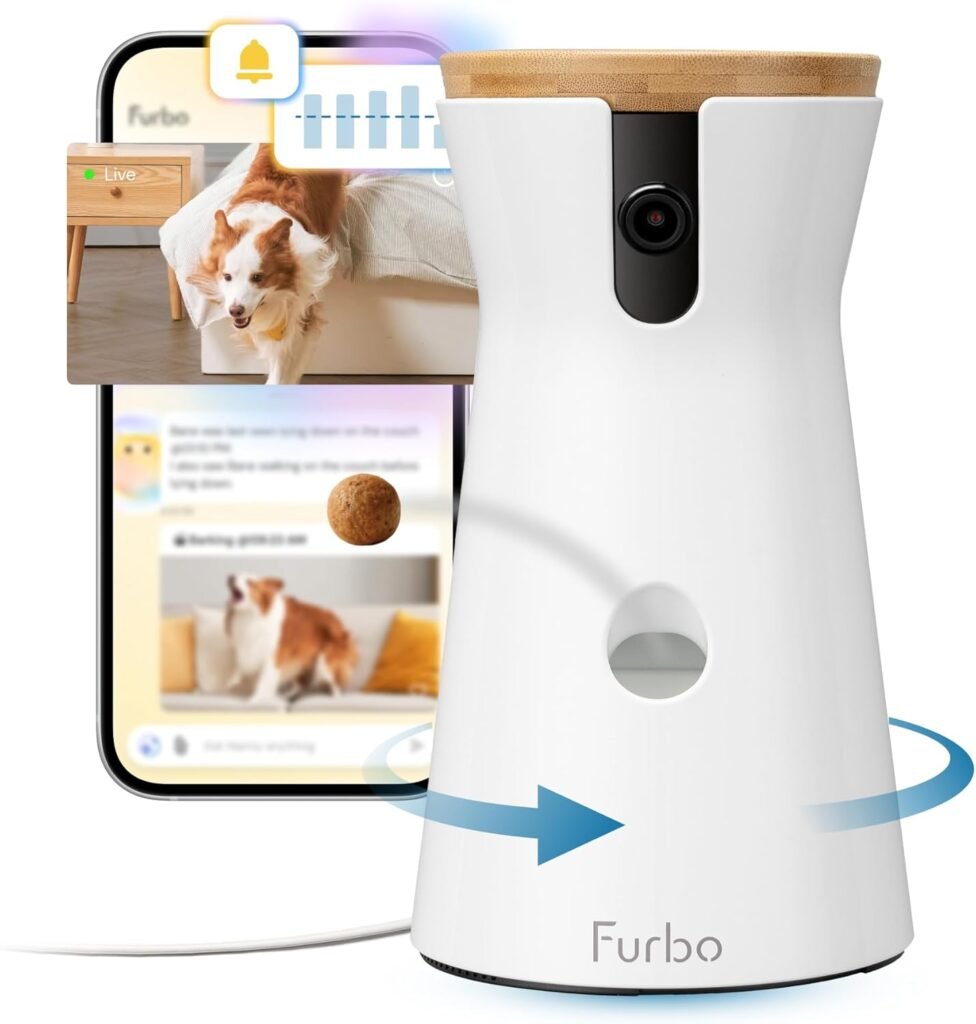
If you want the camera that does the most, this is it. The Furbo 360° pairs sharp 2K video with a rotating base that follows your dog around the room instead of leaving them to wander out of frame. It can tell the difference between a person and a pet showing up on camera, which cuts down on the false alerts that make you frantically check your phone over nothing.
The treat launcher is the most consistent one we found. The rubber flippers inside the canister are designed to clear jams automatically rather than needing you to physically reset the device, which matters more than it sounds — a jammed treat dispenser during a stressful moment for your dog is worse than no dispenser at all.
The catch: full AI detection and smart alerts sit behind a monthly subscription. The live video and manual treat tossing work without it, so casual users can get by on the free tier, but if you want the camera to actually notify you when your dog starts barking, you’re paying for it.
Good for: Owners who want the most complete monitoring experience and don’t mind an optional subscription.
Same video quality and the same 360-degree rotation as the flagship Furbo, in a smaller, cheaper package, with zero recurring fees. This is the one we’d point most people toward if the word “subscription” makes you close the tab.
You lose the AI-powered bark and person detection, so it functions more like a straightforward live-view-and-treat-toss camera than a smart security system. For most dogs who just need a midday check-in and a treat, that’s plenty.
Good for: Budget-conscious owners who want reliable core features without ongoing costs.
3. Petcube Bites 2 Lite — Best Budget Option
The Petcube Bites 2 Lite trades the rotating base for a lower price and a genuinely well-designed app. The oversized treat button is hard to miss even if you’re one-handing your phone while carrying groceries, and you can cap how many treats get dispensed — useful if you’re sharing camera access with a dog-sitter or family member who might get treat-happy.
Live streaming and manual treat tossing work with no subscription at all. An optional $48-a-year plan adds smart alerts and video history if you decide you want them later.
The tradeoff is the fixed base. Without rotation, a dog that likes to wander out of frame will occasionally disappear from view.
Good for: First-time treat-camera buyers who want to try the category without committing to a premium price tag.
4. Arenti Treat Dispensing Camera — Best Video Quality for the Price
If seeing your dog clearly matters more to you than smart features, the Arenti earns its spot here on video quality alone. The 2K resolution makes it noticeably easier to spot subtle things — pacing, a limp, a dog fixated on something outside a window — that lower-res cameras blur into mush.
It supports dual-band Wi-Fi, which sounds minor until your 2.4GHz network is already juggling a dozen smart devices and starts dropping the feed. Local microSD storage up to 256GB also means you’re not stuck depending on the cloud for saved footage.
Good for: Owners who prioritize image clarity for behavior-watching over flashy AI features.
5. Closer Pets TreatView — Best for Small Spaces
A simpler, no-frills option with a wide 130-degree field of view that works well in smaller rooms or apartments where you don’t need 360-degree rotation to keep your dog in frame. Setup is straightforward, and the company’s customer support gets consistently good marks from owners for actually answering the phone when something goes wrong.
Good for: Apartment dwellers who want an easy setup with solid two-way audio.
What to Look For Before You Buy
Treat size compatibility. Most dispensers are built for small, round, dry treats between a quarter and a half inch. Soft, sticky, or oddly shaped treats are the number one cause of jams. Check what your dog’s usual treats look like before assuming any camera will work with them.
Subscription fine print. “No subscription required” often means the camera works without one, but certain features — smart alerts, extended video history, AI pet recognition — do not. Read exactly what’s free before you buy based on a headline feature.
Field of view vs. rotation. A rotating camera covers more ground in a larger room. A fixed camera with a wide field of view is usually enough for smaller spaces and is typically cheaper.
Two-way audio, used carefully. Hearing your voice can soothe some dogs and unsettle others. If your dog already struggles with separation anxiety, introduce two-way audio gradually rather than leaning on it right away, and watch how your dog reacts the first few times.
Cats are a different story. Most treat cameras are built with dogs in mind. If you’re shopping for a multi-pet household, look specifically for models with a quieter dispensing mechanism, since the launch sound can startle cats more than dogs.
Frequently Asked Questions
Do treat-tossing dog cameras actually help with separation anxiety? They can help mild cases by giving your dog something positive to associate with alone time, but they’re not a substitute for training or a vet’s guidance on moderate-to-severe separation anxiety. Think of it as one tool among several, not a fix on its own.
What treats work best in these dispensers? Small, round, dry treats between roughly a quarter and a half inch work most reliably across brands. Soft or irregularly shaped treats are more likely to jam the mechanism.
Do I need a subscription to use a treat-tossing camera? Live video and manual treat tossing usually work on the free tier. Subscriptions typically unlock smart alerts, extended cloud storage, and AI-based detection features.
Can these cameras work for cats too? Some can, but check the treat size range and dispensing noise level first — a loud launch mechanism can startle cats more than dogs, and cats may need a few days to associate the sound with a reward.
How many treats should I dispense per day? Treat-tossing is meant to supplement your dog’s regular diet, not replace meals. Most owners find a handful of small tosses throughout the day works well, but check with your vet if your dog needs to watch calorie intake.
If you want the most complete experience and don’t mind an optional monthly fee, the Furbo 360° is the safest pick — it’s the most tested, most reviewed, and most reliable option on this list. If subscriptions are a dealbreaker, the Furbo Mini 360° gives you nearly the same core experience for less money and zero recurring cost. Budget shoppers should look at the Petcube Bites 2 Lite, and anyone who cares most about image clarity should give the Arenti a serious look.
Whichever you choose, remember the camera is a bridge, not a babysitter. It’s there to make the hours apart a little easier — for both of you.
Discover the best natural remedies for dog anxiety, from CBD and calming supplements to music therapy and massage. Science-backed tips every dog owner needs to know. Introduction If your dog trembles during thunderstorms, goes into full panic mode when you grab your keys, or tears up the couch every time you leave the house, you’re not alone. Dog anxiety is one of the most common issues pet owners in the United States deal with, and it can be heartbreaking to watch your pup suffer. The good news? You don’t always have to reach for prescription medication right away. There are plenty of natural remedies for dog anxiety that can make a real difference and many of them are things you can start today, right at home. This guide covers everything from herbal supplements and calming products to behavioral techniques and diet changes. We’ve broken it all down in plain language so you can actually use this information, not just read it and forget it. Whether your dog has mild nervousness or full blown separation anxiety, there’s likely a natural solution (or a combination of them) that can help. Let’s get into it. Table of Contents Understanding Dog Anxiety: What’s Really Going On Signs Your Dog Is Anxious Natural Remedies for Dog Anxiety That Actually Work Calming Supplements CBD Oil for Dogs Aromatherapy and Essential Oils Music and Sound Therapy Pressure Wraps and Anxiety Vests Exercise and Mental Stimulation Massage Therapy Diet and Gut Health Benefits of Choosing Natural Remedies Common Mistakes Dog Owners Make Expert Tips for Managing Dog Anxiety Natural Remedies Comparison Table Frequently Asked Questions Conclusion Understanding Dog Anxiety: What’s Really Going On {#understanding-dog-anxiety} Dogs experience anxiety much like humans do. Their brains release stress hormones like cortisol when they feel threatened, uncertain, or overwhelmed. The difference is that dogs can’t tell us what’s wrong, they show us through behavior. There are three main types of dog anxiety: Separation anxiety. This is the most common. Your dog gets anxious when you leave or even when they sense you’re about to leave. It can lead to destructive behavior, excessive barking, or accidents in the house. Fear-based anxiety, Triggered by specific things: loud noises (thunderstorms, fireworks), strangers, other animals, car rides, or even certain objects. Generalized anxiety. Some dogs are just anxious by nature. They’re always on edge, always alert, always waiting for something to go wrong. This is often related to genetics, early trauma, or a lack of socialization as a puppy. Knowing what type of anxiety your dog has helps you choose the right remedy. A dog with noise phobia needs different help than a dog with separation anxiety. Signs Your Dog Is Anxious . Before diving into solutions, it helps to know exactly what you’re dealing with. Anxiety in dogs can look different depending on the dog. Common signs include: Excessive barking or whining Panting when it’s not hot Pacing or restlessness Trembling or shaking Yawning or licking lips repeatedly (these are stress signals) Ears pinned back, tail tucked Refusing to eat Destructive chewing Accidents indoors (in a housetrained dog) Trying to escape or hide Aggression when cornered or overwhelmed If you notice several of these together, especially in response to a specific trigger, your dog is likely dealing with anxiety, not just a bad mood. Natural Remedies for Dog Anxiety That Actually Work
Calming Supplements The supplement market for dogs has exploded in recent years, and for good reason. Several natural ingredients have solid science backing them up for reducing anxiety in dogs. L-Theanine is an amino acid found naturally in green tea. It promotes relaxation without sedation, meaning your dog stays calm but not zonked out. Studies in humans and animals both show it reduces stress responses. Products like Zylkene and Composure Pro use L-Theanine as a key ingredient. Melatonin is a hormone your dog’s body already makes to regulate sleep. Giving an additional dose during stressful events (like fireworks) can help take the edge off. Most vets consider low doses of melatonin safe for dogs, but always check with your vet on dosing since it varies by weight. Valerian Root has been used as a calming herb for centuries. It works on the nervous system to promote relaxation. You’ll find it in many dog calming chews and supplements. It works better for some dogs than others, so it may take some trial and error. Chamomile is another gentle herb that can reduce anxiety and soothe an upset stomach, which often comes along with stress in dogs. It’s commonly included in calming blends. Magnesium plays a role in nerve function and muscle relaxation. Some dogs (like humans) are deficient and may be more anxious as a result. Adding a magnesium supplement can help in those cases. Always buy supplements made specifically for dogs and from reputable brands. And yes, talk to your vet before starting any supplement, even natural ones.
CBD Oil for Dogs CBD (cannabidiol) is probably the hottest topic in natural pet health right now. Derived from hemp, CBD doesn’t get your dog high (that’s THC, which is different), but it does interact with the endocannabinoid system, which helps regulate mood, stress, and sleep. Early research and a mountain of anecdotal reports suggest CBD oil can help calm anxious dogs. A 2019 study published in Frontiers in Veterinary Science found that dogs given CBD showed significantly lower anxiety behaviors compared to a control group. Things to look for when buying CBD oil for dogs: Made from hemp (not marijuana) Third-party lab tested (check for a Certificate of Analysis) Contains less than 0.3% THC Formulated specifically for pets Dosed by weight Start with the lowest recommended dose and observe your dog for a few hours. Effects usually kick in within 30–60 minutes and can last 4–8 hours. CBD is not a cure-all, and it doesn’t work the same way for every dog. But it’s one of the more promising natural options out there right now, especially for situational anxiety (like before a vet visit or a car ride).
Aromatherapy and Essential Oils Scent is incredibly powerful for dogs and their sense of smell is estimated to be 10,000 to 100,000 times stronger than ours. It makes sense that certain scents could have a calming effect. Lavender is the most well-studied calming scent for dogs. A study published in the Journal of the American Veterinary Medical Association found that lavender aromatherapy significantly reduced movement and vocalization in dogs during car travel. Dog Appeasing Pheromone (DAP) also sold under brand names like Adaptil is not technically an essential oil, but it works through scent. It mimics the calming pheromone mother dogs produce when nursing puppies. Products come in diffusers, sprays, and collars. Multiple studies show it helps reduce anxiety in dogs, especially separation anxiety. A word of caution: Not all essential oils are safe for dogs. Some like tea tree oil, eucalyptus, clove, and cinnamon are actually toxic to dogs. Never apply undiluted essential oils directly to your dog’s skin, and keep diffusers in well-ventilated areas where your dog can leave the room if they want. Stick to lavender or chamomile, and always use products made for dogs or diffuse at very low concentrations.
Music and Sound Therapy This one might surprise you, but it actually works. Research has shown that certain types of music can reduce stress indicators in dogs, lower heart rate, less barking, more relaxed body posture. A study by the Scottish SPCA and the University of Glasgow found that dogs in shelters showed more relaxed behaviors when listening to soft rock and reggae music compared to other genres. Classical music also consistently shows positive effects. iCalmDog and Through a Dog’s Ear are two popular audio products designed specifically to calm anxious dogs. They use psychoacoustically designed music simplified arrangements with slower tempos and lower frequencies to create a calming effect. White noise machines can also help, especially for dogs with noise anxiety. If your dog panics during thunderstorms, playing white noise or a fan in the background can muffle some of the scary sounds. For dogs with separation anxiety, leaving calming music on when you leave the house can make the transition easier.
Pressure Wraps and Anxiety Vests The ThunderShirt is the most well known product in this category, but the concept is simple: gentle, constant pressure applied to the body has a calming effect. It’s similar to swaddling a baby or giving someone a deep hug. About 80% of dog owners report some improvement when using a pressure wrap, according to ThunderShirt’s own surveys. Independent veterinary studies have also shown reductions in anxiety-related behaviors. These wraps work best for: Thunderstorms and fireworks Vet visits Car anxiety Meeting strangers They’re less effective for chronic separation anxiety when used alone, but they can be part of a broader strategy. The key is to put the wrap on before the anxiety kicks in. If your dog is already in full panic mode, it’s harder for it to work. Try putting it on 20–30 minutes before a storm is expected.
Exercise and Mental Stimulation This one is free and one of the most powerful tools you have. A tired dog is a calmer dog. Physical exercise burns off anxious energy and triggers the release of endorphins, the feel-good chemicals that naturally reduce stress. How much exercise does your dog need? It depends on the breed and age. A Border Collie or Labrador needs a lot more activity than a Basset Hound or Bichon Frisé. In general, most dogs benefit from at least 30–60 minutes of active exercise per day. But physical exercise alone isn’t enough. Mental stimulation is just as important, especially for smart breeds. A bored, understimulated dog is often an anxious dog. Great ways to provide mental stimulation: Puzzle feeders and snuffle mats Kong toys stuffed with peanut butter (frozen for extra challenge) Nose work and scent games Basic training sessions (just 10 minutes a day) Rotating toys so things stay novel Social playdates with other dogs Mental stimulation tires dogs out in a different way than physical exercise — and it builds confidence, which naturally reduces anxiety over time.
Massage Therapy Yes, dogs benefit from massage. And no, you don’t need to be a professional to do it. Gentle massage reduces cortisol levels and promotes relaxation in dogs, just as it does in humans. It also deepens your bond with your dog, which builds the kind of secure attachment that helps anxious dogs feel safer. Simple massage technique for anxious dogs: Start with long, slow strokes down your dog’s back. Then try gentle circular motions along their neck and shoulders (common tension spots). Move to the base of the ears and along the jaw. Keep the pressure light and follow your dog’s cues, if they move away, ease up. The TTouch method (Tellington TTouch) is a specific massage technique developed by trainer Linda Tellington-Jones that has been used with great success on anxious animals. Many veterinary behaviorists recommend it. There are free tutorials online if you want to learn more. Aim for 5–10 minutes of massage during or after stressful events. Some owners do a short daily massage as a prevention strategy.
Diet and Gut Health This one is less talked about but increasingly supported by science. The gut-brain connection is real, the digestive system is often called the “second brain,” and what your dog eats can genuinely affect their mood and anxiety levels. Probiotics support a healthy gut microbiome, which in turn influences the production of serotonin (a feel-good neurotransmitter). Some research in dogs has linked gut health to reduced anxiety and stress behaviors. Omega-3 fatty acids found in fish oil have anti-inflammatory properties and support brain health. Some studies suggest they can reduce anxiety and reactivity in dogs. Tryptophan is an amino acid that’s a precursor to serotonin. Some dog foods and supplements are enriched with tryptophan specifically for anxious dogs. Royal Canin and Hill’s both make formulas aimed at anxious dogs. Avoid foods with artificial additives, artificial colors, or excessive sugar. These can contribute to hyperactivity and worsen anxiety in sensitive dogs. A whole food diet or high-quality commercial food without a lot of fillers gives your dog the nutritional foundation they need for a stable mood. Benefits of Choosing Natural Remedies Natural remedies for dog anxiety come with several real advantages worth considering. Fewer side effects, Prescription anxiety medications for dogs (like Xanax, trazodone, or clomipramine) can cause sedation, digestive upset, liver strain, and other issues. Most natural remedies are much gentler on your dog’s system. Available without a prescription, You don’t need a vet appointment to pick up calming chews, a ThunderShirt, or CBD oil. This makes it easier to act quickly when your dog needs help. Can be used long-term, Many natural remedies are safe for ongoing use, which matters for dogs with chronic anxiety. Complement other treatments ,Natural remedies can be used alongside behavior modification, training, and even prescription meds when needed. Builds a healthier lifestyle. Things like regular exercise, a better diet, and massage are good for your dog’s overall health, not just their anxiety. Cost-effective :Calming supplements, music therapy, and exercise are much cheaper than vet visits and prescriptions in the long run. That said, natural doesn’t automatically mean safe or effective. Some remedies work much better than others, and some dogs need more help than natural remedies can offer. Always keep your vet in the loop. Common Mistakes Dog Owners do: Even well-meaning pet owners can accidentally make dog anxiety worse. Here are the most common pitfalls to avoid. Reinforcing anxious behavior, If you constantly comfort your dog when they’re panicking, you might be accidentally telling them there IS something to be scared of. It’s a delicate balance: you don’t want to ignore your dog, but you also don’t want to go overboard with “it’s okay, it’s okay” in a worried voice. Stay calm and matter-of-fact. Using the wrong remedy for the wrong type of anxiety, CBD oil might be great for situational anxiety but do almost nothing for separation anxiety. Match the remedy to the trigger. Expecting overnight results,: Most natural remedies take time. Supplements often need 2–4 weeks of consistent use to show full effects. Behavior modification takes even longer. Be patient. Skipping the exercise : This is probably the biggest missed opportunity. So many anxious dogs just need more physical and mental stimulation. Before spending money on supplements, make sure your dog is getting enough activity. Using human products : Some human essential oils, supplements, or medications are toxic to dogs. Always use products made for dogs or get explicit clearance from your vet. Ignoring the problem : Anxiety doesn’t usually go away on its own. In fact, it tends to get worse over time without intervention. The sooner you address it, the better. Not addressing the root cause : If your dog’s anxiety stems from a lack of socialization, a past trauma, or a medical issue, no supplement will fully fix it. Work with a professional if the anxiety is severe. Expert Tips for Managing Dog Anxiety Vets, veterinary behaviorists, and professional dog trainers share some consistent advice when it comes to managing dog anxiety naturally. Start early. The best time to socialize a puppy and build resilience is between 3–14 weeks of age. If you have a puppy, expose them to as many different experiences, sounds, people, and places as possible in that window. It dramatically reduces the likelihood of anxiety as an adult. Create a safe space. Every dog should have a spot that’s theirs, a crate with a cozy bed, a corner of the room, a specific spot under a desk. Don’t disturb them when they’re in their safe space. This gives anxious dogs a way to self-regulate. Establish a routine. Dogs are creatures of habit. Consistent feeding times, walk times, and bedtimes reduce uncertainty and help anxious dogs relax. Practice desensitization. If your dog is scared of thunder, play thunder sounds at very low volume and pair them with treats. Gradually increase the volume over weeks. This teaches the brain to reframe the scary stimulus as a neutral one. Try calming before anxiety peaks. Whether it’s a supplement, a pressure wrap, or massage timing matters. Intervene before your dog reaches peak anxiety for best results. Work with a pro when needed. If your dog’s anxiety is severe, a certified applied animal behaviorist (CAAB) or veterinary behaviorist (DACVB) can make a huge difference. These aren’t the same as a general dog trainer — they have specific expertise in anxiety and fear-based behaviors. Give it time. Anxiety in dogs is a real condition. It’s not about your dog being “bad” or “dramatic.” Progress takes time, and setbacks happen. Stay consistent and stay patient. Natural Remedies Comparison Table Remedy Best For Ease of Use Time to See Results Cost Calming Supplements General & situational anxiety Easy 2–4 weeks $20–$60/month CBD Oil Situational & general anxiety Moderate 30–60 minutes $30–$80/month Aromatherapy/Pheromones Noise phobia, vet visits Easy Immediate $15–$50 Music Therapy Separation anxiety, noise Very easy Immediate Free–$20 Pressure Wraps Thunderstorms, travel, strangers Easy Immediate $40–$50 one-time Exercise All types Moderate 1–2 weeks Free–low cost Massage General anxiety, acute stress Easy Immediate Free Diet & Probiotics General anxiety, gut-related Easy 4–8 weeks Varies Frequently Asked Questions {#faqs} Q: Can natural remedies completely cure dog anxiety? A: For mild to moderate anxiety, natural remedies can be very effective sometimes eliminating the problem entirely. For severe anxiety, they’re usually best used as part of a broader plan that includes behavior modification and possibly veterinary support. Think of them as powerful tools, not magic bullets. Q: Is CBD oil safe for dogs? A: Current research suggests CBD oil derived from hemp (with less than 0.3% THC) is generally safe for dogs. The main risks come from using low-quality products with unknown ingredients or THC content. Always buy third-party tested CBD oil made specifically for dogs and consult your vet before starting. Q: How do I know which remedy to try first? A: Start by identifying your dog’s anxiety type (separation, noise, general). For situational anxiety (like thunderstorms), fast-acting options like calming supplements, pressure wraps, and aromatherapy work well. For chronic anxiety, focus on long-term strategies like exercise, diet, training, and daily supplements. Q: How long does it take for calming supplements to work? A: It depends on the product. Some supplements (like melatonin or valerian root) can take effect within an hour. Others, like L-theanine and probiotic-based supplements, build up in the system over 2–4 weeks of daily use before you see the full effect. Q: Can I use multiple natural remedies at the same time? A: Yes, and in fact combining approaches often works better than using just one. For example, you might use a calming supplement daily, a pressure wrap during storms, and increase exercise every day. Just be cautious about combining supplements with similar mechanisms and always check with your vet. Q: Are ThunderShirts effective? A: They work for many dogs — especially for noise phobia and travel anxiety. About 80% of owners report improvement. They’re not a cure for all anxiety, but they’re a safe, drug-free option worth trying. Results vary by individual dog. Q: What essential oils are NOT safe for dogs? A: Many common essential oils are toxic to dogs, including tea tree oil, eucalyptus, clove, thyme, cinnamon, pennyroyal, and ylang ylang. Stick to dog-safe options like lavender and chamomile, use them diluted, and ensure your dog can leave the area if they want. Q: My dog has severe anxiety and nothing seems to help. What should I do? A: Severe anxiety usually requires professional help. Ask your vet for a referral to a veterinary behaviorist (DACVB). These specialists can create a customized behavior modification plan and, if necessary, prescribe medication that can be used alongside natural remedies. Don’t give up — even severe anxiety can usually be managed with the right approach. Q: Can diet really affect my dog’s anxiety? A: Yes, there’s growing evidence that gut health and nutrition influence mood and anxiety in dogs. A diet rich in omega-3 fatty acids, tryptophan, and probiotics supports brain health and serotonin production. It’s not a quick fix, but dietary improvements can make a real difference over time. Q: Is it okay to give my dog human melatonin? A: In most cases, plain melatonin (without xylitol, which is toxic to dogs) is safe in appropriate doses. However, dosing varies by weight, and some formulations contain additives that aren’t dog-safe. It’s best to use melatonin products made specifically for dogs or get dosing guidance from your vet. Conclusion Watching your dog struggle with anxiety is tough. But the good news is that you have real options and you don’t have to go straight to prescription medication. Natural remedies for dog anxiety cover a wide spectrum, from daily supplements and CBD oil to exercise routines, pressure wraps, and even the music you play when you leave the house. The key is figuring out what type of anxiety your dog has, and then building a plan that fits their specific needs. Here are the main takeaways: Know your dog’s triggers. Understanding what causes the anxiety helps you choose the right remedy. Don’t rely on just one thing. The best results usually come from combining approaches a supplement, more exercise, and a pressure wrap for storms, for example. Be consistent and patient. Most natural remedies take time. Stick with them for at least a few weeks before deciding they don’t work. Keep your vet in the loop. Even natural remedies can interact with other conditions or medications. Your vet is your partner here. Seek professional help for severe cases. A veterinary behaviorist can be a game-changer when anxiety is significantly affecting your dog’s quality of life. Your dog deserves to feel safe and calm and with the right combination of natural remedies and a little patience, most anxious dogs can get there. Start small, stay consistent, and don’t be afraid to ask for help when you need it. This article is for informational purposes only and does not constitute veterinary medical advice. Always consult with a licensed veterinarian before starting any supplement, medication, or treatment plan for your dog.
Top GPS Tracker for Dogs Without Subscription (2026 Guide) Looking for the best GPS tracker for dogs without a subscription? Discover the top GPS dog trackers, features, pros, cons, and buying tips in this complete 2026 guide. Best GPS Tracker for Dogs Without Subscription: Top Picks for 2026 Losing a dog is every pet owner’s nightmare. Dogs are curious by nature, and sometimes all it takes is an open gate, a broken leash, or a distracted moment for your furry friend to wander away. Fortunately, modern technology has made it easier than ever to keep track of your pet. GPS dog trackers can help you locate your dog quickly and safely. However, many GPS trackers require monthly subscription fees, which can become expensive over time. That is why many dog owners are searching for the best GPS tracker for dogs without a subscription. In this guide, we will explore the best options available, explain how they work, discuss their advantages and disadvantages, and help you choose the right tracker for your dog. Why Choose a GPS Tracker Without a Subscription? Many GPS trackers depend on cellular networks. These devices often require monthly service plans that can cost anywhere from $5 to $20 or more per month. Over several years, those costs add up. A GPS tracker without a subscription offers several benefits: No monthly fees Lower long-term cost Easy setup Greater control over expenses Ideal for budget-conscious pet owners One-time purchase in many cases For dog owners who want reliable tracking without recurring charges, subscription-free options can be a smart choice. How Do Subscription-Free Dog Trackers Work? Before buying a tracker, it helps to understand how these devices operate. Bluetooth Tracking Bluetooth trackers connect to your smartphone through a mobile app. Pros: Affordable No subscription fees Compact size Cons: Limited range Less effective if your dog travels far away Radio Frequency (RF) Tracking RF trackers use radio signals between a handheld receiver and the dog’s collar. Pros: No subscription required Reliable tracking Long-range performance Cons: Usually more expensive Requires carrying a receiver GPS with Offline Technology Some trackers use GPS technology while avoiding monthly subscriptions through direct communication methods. Pros: Accurate location tracking Better coverage Cons: Higher initial cost What to Look for in a GPS Dog Tracker Not all trackers are created equal. Here are the most important features to consider. Tracking Range The range determines how far away your dog can travel before the tracker loses connection. For neighborhood walks, short-range devices may be enough. For hiking or outdoor adventures, look for longer-range options. Battery Life A tracker is only useful when it has power. Look for: Long battery life Fast charging Battery-saving modes Durability Dogs love to run, jump, swim, and play. Choose a tracker that is: Waterproof Dustproof Shock resistant Weight and Comfort Large trackers can be uncomfortable for smaller dogs. Select a lightweight option that matches your dog’s size. Mobile App Support A good mobile app should provide: Easy setup Real-time tracking Location history Alerts and notifications Best GPS Trackers for Dogs Without Subscription
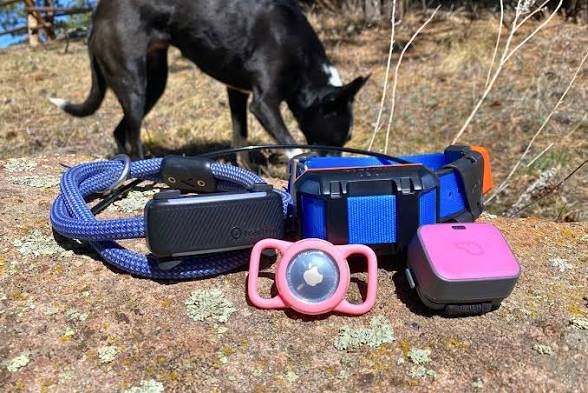
Garmin Alpha 10 Best Overall The Garmin Alpha 10 is one of the most trusted dog tracking devices available. Designed for serious dog owners and outdoor enthusiasts, it provides excellent tracking performance without monthly fees. Key Features Long-range tracking Handheld receiver included Durable construction Multiple dog tracking support Reliable GPS performance Pros No subscription required Excellent range Highly accurate Trusted brand Cons Higher upfront cost More advanced than some casual users need Best For Dog owners who frequently hike, hunt, or spend time outdoors.
Garmin Astro 430 Best Premium Option The Garmin Astro 430 offers professional-level dog tracking capabilities. It is popular among hunters and people who need dependable tracking in remote areas. Key Features GPS and GLONASS support Long-distance tracking Rugged design Detailed mapping Pros Outstanding reliability Accurate location updates No monthly fees Cons Expensive Larger learning curve Best For Owners who need maximum tracking performance.
Tile Pro Best Budget Choice Tile Pro is not specifically designed for dogs, but many pet owners use it successfully. It works through Bluetooth and can help locate dogs within a reasonable range. Key Features Lightweight design Smartphone integration Loud alert sound Affordable price Pros Budget-friendly Easy setup Compact Cons Limited tracking distance Not true GPS Best For Indoor dogs and urban environments.
Samsung Galaxy SmartTag2 Best for Android Users Samsung’s SmartTag2 offers improved tracking performance and battery life. It integrates seamlessly with Samsung devices. Key Features Long battery life Water resistance Compact size SmartThings integration Pros No monthly fees Easy to use Excellent battery performance Cons Works best with Samsung devices Depends on nearby devices for location updates Best For Android users who want affordable pet tracking.
Apple AirTag Best for iPhone Owners Apple AirTag has become one of the most popular dog tracking solutions. Although it is not a dedicated dog GPS tracker, it works remarkably well for many pet owners. Key Features Precision finding Huge Apple network Water resistance Replaceable battery Pros No monthly subscription Easy setup Affordable Cons Not designed specifically for pets Depends on nearby Apple devices Best For iPhone users seeking a low-cost tracking solution. Comparison Table Tracker Subscription Range Battery Life Best For Garmin Alpha 10 No Long Excellent Outdoor adventures Garmin Astro 430 No Very Long Excellent Professional use Tile Pro No Medium Good Budget buyers SmartTag2 No Medium Excellent Android users AirTag No Medium Excellent iPhone users GPS Tracker vs Bluetooth Tracker Many dog owners confuse GPS trackers with Bluetooth trackers. GPS Trackers Benefits: Larger coverage area More accurate tracking Better for outdoor use Drawbacks: More expensive Bluetooth Trackers Benefits: Affordable Lightweight Easy to use Drawbacks: Limited range Less reliable in remote areas For dogs that frequently roam outdoors, GPS tracking is usually the better choice. Benefits of Using a Dog Tracker Peace of Mind Knowing where your dog is can significantly reduce stress. Faster Recovery Lost dogs can often be found much faster when a tracking device is attached. Outdoor Adventures Trackers are especially useful during: Camping Hiking Hunting Beach trips Safety Location tracking helps keep dogs away from dangerous situations. Common Mistakes When Buying a Dog Tracker Choosing the Cheapest Option A low price may mean reduced accuracy or poor durability. Ignoring Battery Life A dead tracker provides no protection. Buying the Wrong Size Large devices can be uncomfortable for smaller breeds. Forgetting Waterproof Protection Dogs often encounter water, mud, and rain. Not Testing the Device Always test your tracker before relying on it. Which Dog Owners Need a GPS Tracker Most? A tracker is especially useful if your dog: Loves to run Frequently escapes Visits dog parks Goes hiking Travels often Lives in rural areas Has a strong hunting instinct Even well-trained dogs can become distracted and wander away unexpectedly. How to Improve Tracking Success Follow these tips: Keep batteries charged. Check device updates regularly. Secure the tracker properly. Test range before major trips. Carry backup identification tags. Combining a tracker with a traditional ID tag offers the best protection. Are Subscription-Free Trackers Worth It? For many dog owners, the answer is yes. If you want to avoid recurring costs while still keeping an eye on your pet, subscription-free trackers offer excellent value. However, remember that some subscription-based trackers may provide additional features such as: Real-time nationwide tracking Health monitoring Detailed activity reports The right choice depends on your budget and tracking needs. Frequently Asked Questions What is the best GPS tracker for dogs without a subscription? The Garmin Alpha 10 is widely considered one of the best options due to its accuracy, range, and lack of monthly fees. Does Apple AirTag work for dogs? Yes. Many dog owners use AirTags successfully. However, AirTags are not dedicated pet GPS trackers and depend on Apple’s device network. Are Bluetooth dog trackers reliable? Bluetooth trackers can be effective for short distances but are less reliable than GPS trackers for long-range tracking. How much does a dog GPS subscription usually cost? Most subscription services cost between $5 and $20 per month, depending on the provider and features. Is a dog GPS tracker worth buying? Absolutely. A tracker can help locate a lost dog quickly and provide valuable peace of mind. Final Thoughts Finding the best GPS tracker for dogs without a subscription can save money while helping protect your beloved pet. For serious outdoor tracking, the Garmin Alpha 10 and Garmin Astro 430 remain top choices. For budget-conscious pet owners, Apple AirTag, Samsung SmartTag2, and Tile Pro offer affordable alternatives. The best tracker is the one that fits your dog’s lifestyle, your budget, and your tracking needs. Investing in a reliable tracking device today could make all the difference if your dog ever goes missing. Your dog is family. A quality tracker helps ensure they stay safe, protected, and easy to find whenever adventure calls. SEO Tip: For better Google rankings, add 6–8 original dog images throughout the article, include a comparison table near the top, and link to related posts such as “Best Dog Beds for Senior Dogs,” “Best Dog Harnesses for Pulling,” and “Best Pet Insurance for Dogs.”
It is heartbreaking to watch your furry best friend suffer from tummy troubles without best dog food for sensetive stomach and allergies.
If your pup constantly deals with loose stools, random vomiting, or excessive gas, you are not alone. Millions of pet parents face this exact challenge every single day. Finding the best dog food for sensitive stomach issues can completely transform your dog’s quality of life, turning a miserable pup into a vibrant, energetic companion.
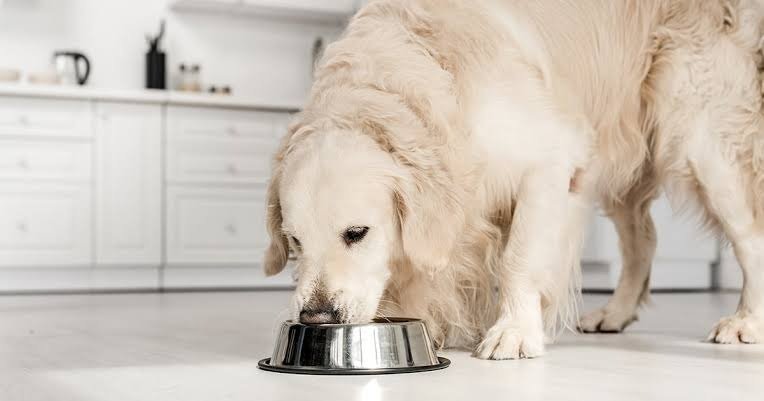
Finding the right diet can ease your dog’s digestive struggles.. Source: Diamond Pet Foods
Every dog has a unique digestive system, and what works for the neighbor’s lab might cause absolute chaos in your golden retriever’s gut. In this comprehensive guide, we will break down the science behind canine digestive issues, highlight what ingredients to look for, and help you choose a diet that keeps those tail wags coming.
Before changing your dog’s diet, you need to recognize the signs of sensitive stomach in dogs. Gastrointestinal (GI) distress can manifest in several ways, some more subtle than others.
Keep an eye out for these frequent symptoms:
Chronic Loose Stools or Diarrhea: Soft, unformed stools that occur regularly rather than as a one-off event.
Frequent Vomiting: Throwing up undigested food or yellow bile on a weekly basis.
Excessive Flatulence: Smelly gas that can clear a room, usually occurring shortly after mealtime.
Gurgling Tummy: Loud, audible noises coming from your dog’s abdomen.
Lethargy After Eating: A noticeable drop in energy right after a meal, indicating their body is working too hard to digest.
Nausea Behavior: Constant lip-licking, gulping air, or eating grass.
It is common to confuse a standard sensitive stomach with a true food allergy. While a sensitive stomach is a localized digestive issue (the food simply doesn’t agree with them), an allergy involves the immune system.
Common dog food allergy symptoms include chronic ear infections, obsessive paw licking, and itchy, red skin hives. If your pup shows these skin issues alongside digestive trouble, they may require a true hypoallergenic dog food or an elimination diet.
What Causes Digestive Issues in Dogs?
A dog’s gut is a finely tuned machine, but several factors can throw it completely out of whack. Understanding the root cause makes it much easier to select the correct diet.
1. Protein Sensitivities
Many people assume grains are the main culprit behind dog allergies and sensitivities. However, veterinary science shows that dogs are most often sensitive to the primary protein source, such as beef or chicken. When a dog eats the same protein for years, their body can develop a hypersensitivity to it.
2. High Fat Content
Foods that are overly rich or high in fat can be incredibly difficult for a dog’s pancreas and digestive tract to process. This can lead to acute bouts of diarrhea or, in severe cases, painful pancreatitis.
3. Artificial Additives and Fillers
Cheap fillers, chemical preservatives, and artificial dyes serve no nutritional purpose and frequently irritate a sensitive stomach lining. Stick to whole, recognizable ingredients.
Key Features of the Best Dog Food for Sensitive Stomach
When you are browsing the pet food aisle, do not let flashy marketing labels fool you. Look for these specific, scientifically backed features that define high-quality, easily digestible dog food:
Limited Ingredients
The fewer items on the ingredient list, the less chance there is of something upsetting your dog’s stomach. The best limited ingredient dog food formulas typically use one novel protein source and one simple carbohydrate source.
Prebiotics and Probiotics
Prebiotics (like chicory root) feed the good bacteria in the gut, while live probiotics directly replenish the microbiome. This combination supports long-term digestive health and firms up loose stools.
Balanced Soluble and Insoluble Fiber
Fiber acts as a regulator. Ingredients like pumpkin, beet pulp, and miscanthus grass help slow down digestion, allowing the body to absorb nutrients efficiently while solidifying the stool.
Top Ingredients to Look For and Avoid
When reading a dog food label, the first five ingredients tell you almost everything you need to know about the product’s quality.
👍 Ingredients to Seek Out
Novel Proteins: Salmon, venison, duck, or turkey. These are less common, meaning your dog is less likely to have built up a sensitivity to them.
Gentle Carbs: Oatmeal, brown rice, sweet potatoes, and pumpkin. These provide clean energy without irritating the gut.
Healthy Fats: Flaxseed oil and salmon oil, which supply Omega-3 fatty acids to soothe internal inflammation.
👎 Ingredients to Avoid
Meat By-Products: Unspecified meat meals can vary wildly in quality and composition from batch to batch.
Artificial Preservatives: BHA, BHT, and ethoxyquin can trigger systemic sensitivities.
Corn, Wheat, and Soy: While not inherently bad for all dogs, these highly processed grains can be difficult for a compromised digestive tract to break down.
To help you make the best decision for your pup, we have compared the main types of specialized diets available on the market today.
Food Type
Best For
Pros
Cons
Limited Ingredient Kibble
Identifying specific food triggers
Easy to portion, cost-effective, long shelf life
Can be dry; some dogs find it less appetizing
Wet Dog Food
Picky eaters and hydration boost
High moisture, highly palatable, very easy to chew
More expensive per serving, spoils quickly once opened
Hydrolyzed Protein Diet
Severe, chronic immune allergies
Proteins are broken down so small the body cannot track an allergy
Often requires a vet prescription, expensive
Freeze-Dried Raw
Maximum nutrient retention
Minimal processing, clean whole foods, great taste
High cost, requires safe handling practices
Benefits of Switching to a Sensitive Stomach Diet
Investing in specialized food pays massive dividends for both your dog’s health and your own peace of mind. Here is what you can expect to see within a few weeks of a successful food transition:
Firm, Consistent Stools: No more stressful bathroom breaks or difficult yard cleanups.
A Radiant, Shiny Coat: When a dog digests food properly, they absorb the essential fatty acids needed to keep their skin hydrated and their coat gleaming.
Increased Energy Levels: Proper nutrient absorption means your pup finally gets the fuel they need to play, run, and thrive.
Reduced Gas: You can finally enjoy cuddles on the couch without worrying about sudden, foul odors.
Common Mistakes Pet Owners Make
Even the most well-meaning pet parents can accidentally prolong their dog’s digestive misery. Avoid these common pitfalls:
1. Switching Foods Too Fast
Cold-turkey diet changes are a recipe for disaster. Rushing into a new food can shock your dog’s system and cause severe diarrhea, making you think the new food is bad when the real issue was the speed of the switch.
2. Giving Inflammatory Treats
It does no good to feed your dog a premium, pristine diet if you are still tossing them greasy table scraps, cheap rawhides, or artificial treats on the side. Keep treats aligned with their sensitive food ingredients.
3. Ignoring the Feeding Guide
Overfeeding is a hidden cause of loose stools. If a dog’s digestive system is overloaded with too much volume at once, the food moves through the intestines too quickly to be properly digested.
Expert Tips for Managing Tummy Troubles
Managing a dog with a sensitive stomach requires a holistic approach to their daily routine. Implement these vet-approved tips to keep their gut stable:
When moving your dog to a new food, space the transition out over a full week to allow their gut microflora time to adjust.
Days 1-2: 75% Old Food, 25% New Food
Days 3-4: 50% Old Food, 50% New Food
Days 5-6: 25% Old Food, 75% New Food
Day 7+: 100% New Food
Invest in a Slow Feeder Bowl
Dogs that gulp down their food swallow a massive amount of air, which leads to gas, burping, and regurgitation. A slow feeder bowl forces them to take smaller, well-chewed bites, which jumpstarts the digestion process correctly.
Utilize Pure Pumpkin Puree
Keep a can of 100% pure pumpkin puree (not pumpkin pie mix!) in your pantry. A tablespoon of pumpkin added to their bowl provides immediate, soothing soluble fiber that can firm up mild loose stools within 24 hours.
There is no single “best” brand for every dog. However, formulas that utilize a single novel protein (like salmon or duck) paired with a highly digestible grain like oatmeal generally yield the best results for the widest variety of dogs.
Can I give my dog chicken and rice everyday for a sensitive stomach?
A bland diet of boiled chicken and white rice is fantastic for resolving acute diarrhea for 2 to 3 days. However, it lacks vital vitamins, minerals, and calcium. Feeding this long-term will lead to severe nutritional deficiencies.
Is grain-free food better for a sensitive stomach?
Not necessarily. Unless your dog has a scientifically proven allergy to a specific grain, easily digestible grains like oatmeal, brown rice, and barley are incredibly soothing to the gut and provide essential fiber.
Should I choose dry kibble or wet dog food for sensitive stomachs?
Both have merits. Wet dog food for sensitive stomachs is exceptional for picky eaters and adds vital hydration, which helps digestion. High-quality dry kibble is great for dental health and offers a more cost-effective long-term solution.
How long does it take for a new food to soothe my dog’s stomach?
You will typically see an improvement in stool consistency within 3 to 5 days. However, it can take up to 6 to 8 weeks for their gut microbiome to fully stabilize and for skin irritations to completely heal.
If your dog displays signs of weight loss, blood in their stool, persistent vomiting, or refuses to eat for more than 24 hours, stop trying new foods immediately and head to the vet. These are red flags for underlying medical conditions like IBS, parasites, or standard infections.
Conclusion & Takeaways
Finding the best dog food for sensitive stomach issues takes patience, but the reward of a happy, healthy dog is worth every second of effort. Remember these core takeaways:
Look for limited-ingredient formulas featuring novel proteins and gentle grains.
Always transition to a new food slowly over 7 full days to prevent digestive shock.
Eliminate high-fat table scraps and cheap, artificial treats entirely.
Monitor stool quality as the ultimate indicator of your dog’s internal gut health.
Your dog relies on you to make the right choices for their health. By pairing a high-quality, easily digestible diet with careful feeding habits, you can conquer tummy troubles and get back to enjoying your adventures together.
Best Dog Food for Puppies: Complete Buyer’s Guide for Healthy Growth Discover the best dog food for puppies, what ingredients to look for, feeding tips, and how to choose the right puppy food for healthy growth and development.
Best Dog Food for Puppies: The Complete Guide for Healthy Growth
Bringing home a puppy is exciting. Those tiny paws, playful jumps, and happy tail wags quickly become part of your daily life. But one of the most important decisions you’ll make as a pet parent is choosing the best dog food for your puppy.
Puppies grow incredibly fast during their first year of life. Their bones, muscles, brain, and immune system all need the right nutrition to develop properly. Feeding poor-quality food can lead to health problems, slow growth, and digestive issues.
The good news is that choosing the right puppy food doesn’t have to be difficult. Once you know what to look for, you can confidently select a food that helps your puppy thrive.
In this guide, you’ll learn everything you need to know about the best dog food for puppies, including important ingredients, feeding schedules, common mistakes, and how to choose food based on your puppy’s breed and size.
Why Puppies Need Special Food
Puppies are not simply smaller versions of adult dogs. They have different nutritional needs because they are growing rapidly.
Young puppies have small stomachs and need frequent meals.
3 to 6 Months
Feed three meals per day.
At this age, puppies continue growing rapidly and require steady nutrition.
6 to 12 Months
Feed two meals per day.
Most puppies can comfortably transition to twice-daily feedings.
Signs Your Puppy Loves Their Food
Healthy puppies usually show positive signs when eating the right food.
These signs include:
Healthy weight gain
Good energy levels
Bright eyes
Shiny coat
Firm stools
Excitement at mealtime
Signs Your Puppy May Need Different Food
Some puppies don’t respond well to certain foods.
Possible signs include:
Frequent diarrhea
Vomiting
Gas
Itchy skin
Dull coat
Poor appetite
Low energy
If these symptoms persist, speak with your veterinarian.
A food change may be necessary.
How to Switch Puppy Food Safely
Never change puppy food suddenly.
Abrupt changes can upset your puppy’s digestive system.
Transition gradually.
Days 1 and 2
75% old food 25% new food
Days 3 and 4
50% old food 50% new food
Days 5 and 6
25% old food 75% new food
Day 7
100% new food
This slow transition helps reduce stomach upset.
Should Puppies Eat Homemade Food?
Some pet owners prefer homemade diets.
While homemade meals can work, they are difficult to balance correctly.
Puppies need precise amounts of:
Protein
Calcium
Fat
Vitamins
Minerals
Nutritional deficiencies can seriously affect growth.
If you want to prepare homemade food, work with your veterinarian or a veterinary nutritionist.
Can Puppies Eat Human Food?
Some human foods are safe in moderation.
Examples include:
Cooked chicken
Cooked turkey
Plain pumpkin
Carrots
Blueberries
However, many foods are dangerous.
Never feed puppies:
Chocolate
Grapes
Raisins
Onions
Garlic
Alcohol
Xylitol sweetener
These foods can cause serious health problems.
The Importance of Fresh Water
Nutrition isn’t only about food.
Fresh water is equally important.
Water supports:
Digestion
Temperature regulation
Organ function
Nutrient absorption
Always provide clean, fresh water.
Wash your puppy’s water bowl daily.
Frequently Asked Questions
At What Age Should Puppies Start Eating Puppy Food?
Most puppies begin eating soft puppy food around three to four weeks of age while gradually reducing nursing.
When Can Puppies Eat Adult Dog Foods
Most dogs transition to adult food between twelve and eighteen months.
Large breeds may stay on puppy food longer.
Always ask your veterinarian for guidance.
Is Expensive Puppy Food Always Better?
Not necessarily.
Price alone does not determine quality.
Always read ingredient labels and choose food that provides complete and balanced nutrition.
Can Puppies Eat Adult Dog Food Occasionally?
An occasional bite usually isn’t harmful.
However, puppies should not regularly eat adult food because it lacks the nutrient balance needed for growth.
How Often Should Puppies Eat?
Most puppies need:
Four meals daily from eight to twelve weeks
Three meals daily from three to six months
Two meals daily after six months
Tips for Choosing the Best Dog Food for Puppies
Keep these simple tips in mind:
Choose food labeled for puppies.
Look for real meat as the first ingredient.
Check for DHA and healthy fats.
Select formulas based on breed size.
Avoid artificial additives and excessive fillers.
Follow feeding guidelines.
Introduce new foods gradually.
Monitor your puppy’s weight and energy levels.
Provide fresh water at all times.
Consult your veterinarian if you have concerns.
Final Thoughts
Choosing the best dog food for puppies is one of the most important investments you can make in your dog’s future health.
The right puppy food provides the nutrients needed for healthy growth, strong bones, proper brain development, and a healthy immune system.
Look for foods that contain high-quality animal protein, healthy fats, balanced minerals, and digestible ingredients. Avoid low-quality fillers and foods that don’t meet the nutritional needs of growing puppies.
Every puppy is unique. Some thrive on dry food, others prefer wet food, and some do best with a combination of both. Pay attention to your puppy’s energy, digestion, and overall health as you choose the right food.
A well-fed puppy today has the best chance of becoming a healthy, happy, and active companion for many years to come.
How To Take Care Of A Dog | New Dog Owners Complete Guide Learn how to take care of a dog with this complete guide for new dog owners. Discover feeding, training, exercise, grooming, health care, and expert tips for raising a happy, healthy dog.
Taking care of a dog means providing proper nutrition, fresh water, exercise, training, veterinary care, grooming, mental stimulation, and a safe home environment. Dogs thrive when owners establish consistent routines and meet both their physical and emotional needs.
Table of Contents
Introduction
Why Proper Dog Care Matters
Preparing for a New Dog
Essential Supplies Every Dog Needs
Creating a Safe Home Environment
Feeding and Nutrition
Exercise and Physical Activity
Mental Stimulation
Training and Socialization
Grooming and Hygiene
Veterinary Care
Common Mistakes to Avoid
Expert Strategies Most Beginners Miss
Frequently Asked Questions
Internal Linking Opportunities
Affiliate Opportunities
Conclusion
Introduction
Bringing a dog into your home can be one of the most rewarding experiences of your life.
Dogs offer companionship, unconditional love, and countless moments of joy. They become family members, exercise partners, and trusted friends. However, owning a dog also comes with significant responsibilities.
Many first-time owners underestimate how much work goes into caring for a dog properly. Feeding, exercise, training, veterinary visits, grooming, and daily attention all require time and commitment.
The good news is that you don’t need to be an expert to become an excellent dog owner.
Learning a few fundamental principles can dramatically improve your dog’s health and happiness.
This guide will walk you through everything you need to know from preparing your home to developing healthy daily routines that allow your dog to thrive.
Why Proper Dog Care Matters
Dogs depend entirely on their owners.
Every meal, walk, medical appointment, and play session directly impacts their physical and emotional well-being.
Proper care helps:
Increase life expectancy
Reduce preventable illnesses
Prevent behavioral problems
Strengthen the owner-dog bond
Improve emotional health
Lower long-term veterinary costs
A well-cared-for dog is generally:
More confident
Better behaved
Easier to train
More social
Happier overall
Quick Answer
Proper dog care improves health, behavior, and quality of life while helping dogs live longer and happier lives.
Key Takeaway
The small things you do every day matter more than occasional big efforts.
Preparing for a New Dog
Bringing home a dog requires planning.
Preparation reduces stress for both you and your new companion.
Before bringing your dog home, ask yourself:
Do I have enough time?
Can I afford veterinary care?
Am I prepared for long-term responsibility?
Is my home dog-friendly?
Who will care for my dog during travel?
Dogs often live between 10 and 15 years, depending on breed and size.
Adoption is a long-term commitment.
Choosing the Right Dog
No dog is perfect for everyone.
Consider:
Size
Large dogs require more space and often more exercise.
Energy Level
Some dogs need hours of activity daily.
Temperament
Certain breeds are naturally more independent, while others crave constant companionship.
Grooming Needs
Long-haired breeds require regular maintenance.
Training Difficulty
Some breeds learn quickly, while others require extra patience.
Common Mistake
Choosing a dog based solely on appearance.
The cutest puppy may not fit your lifestyle.
Expert Tip
Choose a dog that matches your activity level rather than the dog you wish you were.
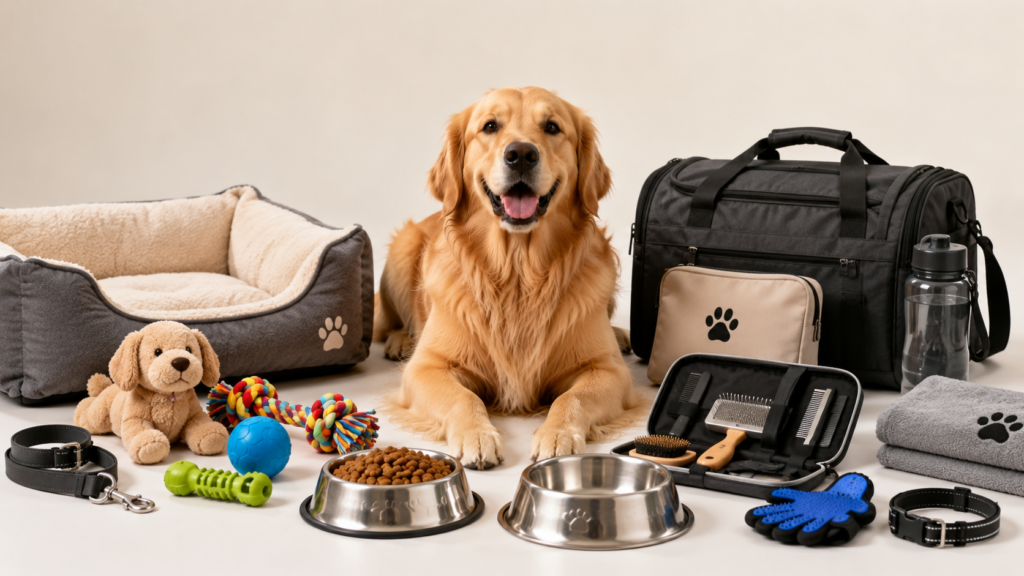
Essential Supplies Every Dog Needs
Preparing your supplies before your dog arrives creates a smoother transition.
Successful dog ownership starts before your dog arrives home.
Proper preparation creates a safe, comfortable environment and helps your new companion adjust more easily.
Feeding, Nutrition, Exercise, Mental Stimulation, and Sleep
Feeding and Nutrition: Building the Foundation of a Healthy Dog
Nutrition is one of the most important aspects of dog care.
A healthy diet affects almost every part of your dog’s life, including energy levels, immune function, skin health, digestion, behavior, and life expectancy.
Many health problems that dogs experience later in life are linked to poor nutrition and obesity. Feeding your dog properly today can help prevent costly health issues in the future.
Dogs thrive when they know what to expect each day.
Helpful products:
Orthopedic beds
Crate covers
Cooling mats
Heated beds
Features to consider:
Washable covers
Proper sizing
Supportive materials
Durability
Expert Insight
One of the biggest mistakes new owners make is assuming that dogs naturally know how to relax.
Many dogs actually need help creating balanced routines.
The ideal day often includes:
Quality meals
Fresh water
Exercise
Mental challenges
Rest
Social interaction
Meeting these basic needs dramatically improves behavior and overall well-being.
Statistics That Every Dog Owner Should Know
More than half of pet dogs in the United States are considered overweight or obese.
Mental stimulation can significantly reduce destructive behaviors in many dogs.
Consistent exercise is associated with better behavior and improved quality of life.
Preventive nutrition and healthy weight management may contribute to longer life expectancy.
Key Takeaway
Proper nutrition, exercise, mental stimulation, hydration, and sleep work together.
When one area suffers, the others often suffer as well.
Dogs thrive when their physical and emotional needs are met consistently every day.
Training, Socialization, House Training, Grooming, and Hygiene
Training Your Dog: Building Good Habits for Life
Training is one of the most important investments you can make as a dog owner.
Many people think training is simply teaching commands like “sit” and “stay.” In reality, training is much bigger than that. Training teaches your dog how to live safely and happily in your home and in the world around them.
A well-trained dog is generally:
Easier to manage
More confident
Less stressed
Safer around people and other animals
More enjoyable to live with
Training also strengthens the bond between you and your dog.
Every interaction with your dog teaches something. Dogs are constantly learning whether you realize it or not.
Why Training Matters
Good training helps prevent many common behavioral problems, including:
Excessive barking
Jumping on people
Pulling on the leash
Chewing furniture
Resource guarding
Anxiety-related behaviors
Aggression issues
Dogs thrive when they understand expectations.
Without guidance, many dogs become confused and frustrated.
Quick Answer
Training teaches your dog how to behave appropriately while improving communication and strengthening your relationship.
Key Takeaway
Training isn’t something you do for a few weeks. It’s a lifelong process that helps your dog become a happy and well-adjusted companion.
Start Training Immediately
Many new owners wait until their dog is older before starting training.
This is a mistake.
Dogs begin learning from the moment they enter your home.
Even very young puppies can learn:
Their name
Potty routines
Simple commands
Appropriate chewing habits
Social skills
Early training often prevents bigger problems later.
Use Positive Reinforcement
Positive reinforcement is one of the most effective training methods.
The basic idea is simple:
Reward behaviors you want to see again.
Rewards may include:
Treats
Praise
Toys
Affection
Playtime
Dogs repeat behaviors that produce positive outcomes.
Example
If your dog sits and receives a reward, they become more likely to sit again.
Over time, desired behaviors become habits.
Avoid Punishment-Based Training
Punishment may create:
Fear
Anxiety
Aggression
Loss of trust
Confusion
Dogs learn best when training feels rewarding and enjoyable.
Instead of punishing mistakes:
Redirect unwanted behavior
Reward good choices
Remain patient
Be consistent
Essential Commands Every Dog Should Learn
Sit
Teaching “sit” helps:
Improve focus
Encourage calm behavior
Manage excitement
Improve safety
Stay
“Stay” can prevent dangerous situations.
Examples include:
Preventing door escapes
Avoiding traffic
Managing guests
Come
A reliable recall command could potentially save your dog’s life.
Teach your dog to come when called by making it rewarding every time.
Never punish your dog for returning to you.
Leave It
This command helps prevent dogs from picking up dangerous items.
Examples include:
Toxic foods
Medications
Trash
Small objects
Down
Teaching your dog to lie down encourages relaxation and impulse control.
Helpful products:
Training treats
Clickers
Treat pouches
Long training leashes
Features to consider:
Easy access
Portable design
Durable materials
Adjustable sizing
The Importance of Consistency
Dogs learn through repetition.
Inconsistent rules confuse them.
For example:
If jumping on the couch is allowed today but forbidden tomorrow, your dog receives mixed messages.
Every family member should follow the same rules.
Consistency speeds up learning.
Keep Training Sessions Short
Many owners make training too complicated.
Short sessions often work best.
Aim for:
5 to 10 minutes several times daily.
Short sessions:
Prevent boredom
Improve focus
Increase success
Keep learning fun
Common Training Mistakes
Repeating Commands
Saying “sit” five times teaches your dog that the first four commands don’t matter.
Give the command once.
Wait patiently.
Reward success.
Expecting Too Much Too Quickly
Training takes time.
Dogs learn at different speeds.
Progress is rarely perfectly linear.
Celebrate small victories.
Training Only at Home
Dogs need to practice skills in different environments.
A dog that sits perfectly in the kitchen may struggle at a busy park.
Practice commands in:
The yard
Parks
Sidewalks
Friends’ homes
Pet-friendly stores
Socialization: Raising a Confident Dog
Socialization means helping your dog feel comfortable in different situations.
Proper socialization teaches dogs that new experiences are safe.
A well-socialized dog is generally:
More confident
Less fearful
Easier to handle
Better behaved
Why Socialization Matters
Poor socialization can contribute to:
Fearfulness
Anxiety
Aggression
Excessive barking
Reactivity
Early experiences shape how dogs view the world.
Introduce Your Dog to Different Experiences
Expose your dog to:
Different People
Adults
Children
People wearing hats
People using wheelchairs
Delivery workers
Different Sounds
Traffic
Vacuum cleaners
Thunder
Fireworks recordings
Household appliances
Different Surfaces
Grass
Wood floors
Concrete
Gravel
Sand
Different Environments
Parks
Neighborhoods
Busy streets
Pet-friendly businesses
Let Your Dog Explore at Their Own Pace
Socialization should be positive.
Never force interactions.
If your dog appears uncomfortable:
Increase distance
Offer reassurance
Use treats
Move slowly
Positive experiences build confidence.
Helpful products:
Portable treat bags
Training harnesses
Travel crates
Long leashes
Features to consider:
Comfort
Safety
Easy adjustment
Portability
House Training Your Dog
House training is often the first major challenge for new owners.
Fortunately, most dogs learn quickly when owners remain patient and consistent.
Why Accidents Happen
Accidents occur because:
Puppies have small bladders
Dogs don’t understand the rules yet
Schedules are inconsistent
Bathroom opportunities are limited
Punishment rarely speeds up learning.
Create a Potty Schedule
Take your dog outside:
First thing in the morning
After meals
After naps
After play sessions
Before bedtime
Consistency creates predictable habits.
Reward Success Immediately
Praise your dog immediately after they eliminate outdoors.
Dogs learn through timing.
The closer the reward is to the behavior, the stronger the lesson.
Supervise Indoors
Supervision prevents mistakes.
Watch for signs such as:
Sniffing
Circling
Whining
Pacing
These behaviors often indicate your dog needs to go outside.
Clean Accidents Properly
Dogs often return to previously soiled areas.
Use cleaners designed to remove pet odors completely.
Helpful products:
Enzyme cleaners
Puppy pads
Indoor training grass systems
Pet-safe cleaning supplies
Features to consider:
Odor removal
Safety
Ease of use
Absorbency
Preventing Common Behavior Problems
Many behavioral issues develop because a dog’s needs are not fully met.
Excessive Barking
Possible causes:
Boredom
Fear
Lack of exercise
Attention-seeking
Anxiety
Address the underlying cause instead of simply correcting the barking.
Destructive Chewing
Chewing is natural.
Dogs chew to:
Relieve stress
Explore objects
Ease teething discomfort
Release energy
Provide appropriate chew outlets.
Helpful products:
Durable chew toys
Puzzle feeders
Interactive toys
Long-lasting chews
Features to consider:
Safety
Durability
Appropriate size
Easy cleaning
Jumping on People
Dogs often jump because it works.
They receive:
Attention
Touch
Excitement
Teach alternative behaviors such as sitting politely.