
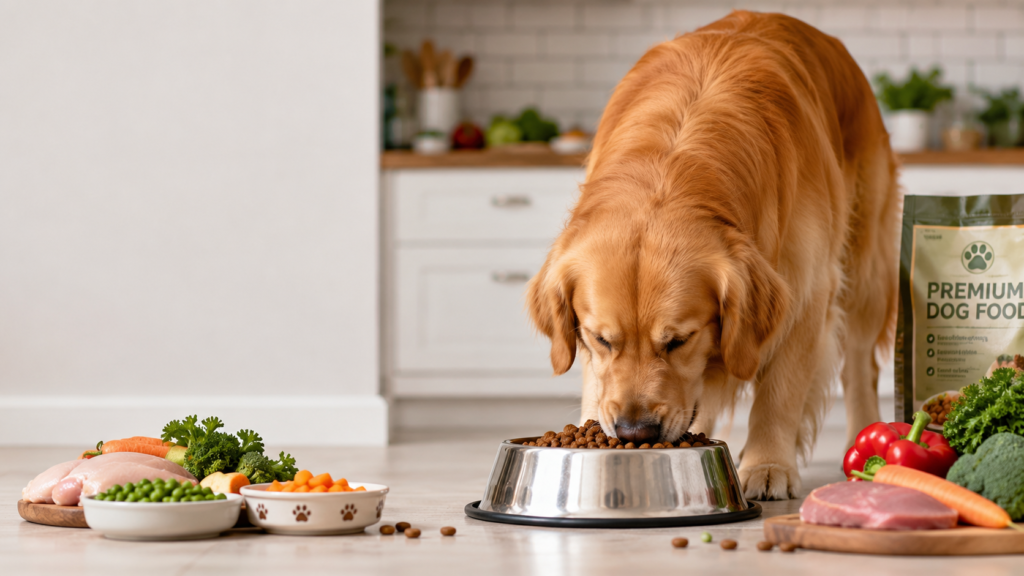
Best Dog Food for Puppies: Complete Buyer’s Guide for Healthy Growth
Discover the best dog food for puppies, what ingredients to look for, feeding tips, and how to choose the right puppy food for healthy growth and development.
Best Dog Food for Puppies: The Complete Guide for Healthy Growth
Bringing home a puppy is exciting. Those tiny paws, playful jumps, and happy tail wags quickly become part of your daily life. But one of the most important decisions you’ll make as a pet parent is choosing the best dog food for your puppy.
Puppies grow incredibly fast during their first year of life. Their bones, muscles, brain, and immune system all need the right nutrition to develop properly. Feeding poor-quality food can lead to health problems, slow growth, and digestive issues.
The good news is that choosing the right puppy food doesn’t have to be difficult. Once you know what to look for, you can confidently select a food that helps your puppy thrive.
In this guide, you’ll learn everything you need to know about the best dog food for puppies, including important ingredients, feeding schedules, common mistakes, and how to choose food based on your puppy’s breed and size.
Why Puppies Need Special Food
Puppies are not simply smaller versions of adult dogs. They have different nutritional needs because they are growing rapidly.
During the first year of life, puppies need:
- More protein for muscle development
- More calories for energy
- Extra fat for brain development
- Higher amounts of calcium and phosphorus for strong bones and teeth
- Vitamins and minerals that support immunity
Adult dog food usually doesn’t contain the right balance of nutrients for growing puppies.
Puppy food is specifically formulated to provide complete and balanced nutrition during this important stage of life.
What Makes the Best Dog Food for Puppies?
Not all puppy foods are created equal. Some are packed with quality ingredients, while others contain fillers and low-quality ingredients.
Here are the most important things to look for.
Real Animal Protein
Protein is the building block of growth.
Look for foods that list real meat as the first ingredient, such as:
- Chicken
- Turkey
- Beef
- Lamb
- Salmon
Protein helps develop:
- Strong muscles
- Healthy skin
- Shiny coats
- Healthy organs
- Strong immune systems
Avoid foods that rely heavily on unnamed meat by-products or fillers.
Healthy Fats
Fat often gets a bad reputation, but puppies need healthy fats.
Healthy fats provide:
- Energy
- Brain development
- Eye health
- Skin and coat support
Look for ingredients like:
- Chicken fat
- Fish oil
- Salmon oil
- Flaxseed
Many quality puppy foods also contain DHA.
DHA is an omega-3 fatty acid that supports brain and vision development. It is especially important during the first year of life.
Balanced Calcium and Phosphorus
Puppies need strong bones and teeth.
Calcium and phosphorus work together to support healthy growth.
However, too much calcium can be harmful, especially for large-breed puppies.
Large puppies grow quickly, and excessive calcium can contribute to joint and skeletal problems.
Always choose food designed specifically for your puppy’s size.
Easily Digestible Carbohydrates
Carbohydrates provide energy.
Good sources include:
- Brown rice
- Oatmeal
- Sweet potatoes
- Barley
- Peas
These ingredients are easier to digest and provide nutrients that help support growth.
Essential Vitamins and Minerals
Puppies need a wide range of nutrients, including:
- Vitamin A
- Vitamin D
- Vitamin E
- Zinc
- Iron
- Selenium
These nutrients support:
- Immune health
- Bone development
- Energy production
- Healthy skin and coat
Ingredients to Avoid in Puppy Food
Some ingredients offer little nutritional value.
When shopping for puppy food, avoid products that contain large amounts of:
Artificial Colors
Dogs don’t care what color their food is.
Artificial colors only make food look appealing to humans.
Excessive Fillers
Some inexpensive foods use large amounts of fillers, such as:
- Corn syrup
- Sugar
- Artificial sweeteners
These ingredients add calories without providing balanced nutrition.
Unspecified Meat Ingredients
Avoid labels that say:
- Meat meal
- Animal fat
- Meat by-products
Quality brands clearly identify their protein sources.
Examples include:
- Chicken meal
- Salmon meal
- Beef fat
Dry Food vs Wet Food for Puppies
Many new puppy owners wonder whether dry food or wet food is better.
The answer depends on your puppy and your preferences.
Dry Puppy Food
Benefits:
- More affordable
- Easy to store
- Helps reduce plaque buildup
- Convenient for feeding
Drawbacks:
- Lower moisture content
- Some picky puppies may not like it
Wet Puppy Food
Benefits:
- More moisture
- Usually very tasty
- Easier for young puppies to chew
Drawbacks:
- More expensive
- Spoils quickly after opening
- Can contribute to dental issues if fed alone
Can You Feed Both?
Absolutely.
Many pet owners combine dry and wet food.
This approach provides:
- Variety
- Additional moisture
- Better flavor
- Flexible feeding options
Best Dog Food for Small Breed Puppies
Small breeds have unique nutritional needs.
Examples include:
- Chihuahua
- Yorkshire Terrier
- Maltese
- Pomeranian
Small puppies have fast metabolisms and burn calories quickly.
They need:
- Small kibble pieces
- Higher calorie density
- Nutrient-rich formulas
Good ingredients include:
- Chicken
- Turkey
- Salmon
- Brown rice
- Fish oil
Small-breed formulas are usually easier to chew and digest.
Best Dog Food for Large Breed Puppies
Large-breed puppies require special attention.
Examples include:
- Labrador Retriever
- Golden Retriever
- German Shepherd
- Great Dane
- Rottweiler
Large puppies grow rapidly.
Proper nutrition helps prevent developmental problems.
Look for foods with:
- Controlled calcium levels
- Balanced phosphorus
- High-quality protein
- Joint-supporting nutrients
Many large-breed puppy foods contain:
- Glucosamine
- Chondroitin
- Omega-3 fatty acids
These nutrients support healthy joints and mobility.
Grain-Free Puppy Food: Is It Better?
Many pet parents assume grain-free food is healthier.
However, grains are not inherently bad.
Healthy grains provide:
- Fiber
- Energy
- Vitamins
- Minerals
Some puppies may have grain sensitivities, but true grain allergies are relatively uncommon.
Unless your veterinarian recommends grain-free food, there is usually no reason to avoid grains.
Quality grains can be part of a healthy puppy diet.
How Much Should You Feed a Puppy?
Overfeeding is a common mistake.
Too much food can lead to:
- Obesity
- Digestive issues
- Joint problems
- Excessive growth in large breeds
Every puppy is different.
Factors that affect feeding amounts include:
- Age
- Breed
- Activity level
- Weight
- Food type
Always follow the feeding guide on your puppy food package and adjust as necessary.
Your veterinarian can also help determine appropriate portions.
Puppy Feeding Schedule by Age
8 to 12 Weeks
Feed four meals per day.
Young puppies have small stomachs and need frequent meals.
3 to 6 Months
Feed three meals per day.
At this age, puppies continue growing rapidly and require steady nutrition.
6 to 12 Months
Feed two meals per day.
Most puppies can comfortably transition to twice-daily feedings.
Signs Your Puppy Loves Their Food
Healthy puppies usually show positive signs when eating the right food.
These signs include:
- Healthy weight gain
- Good energy levels
- Bright eyes
- Shiny coat
- Firm stools
- Excitement at mealtime
Signs Your Puppy May Need Different Food
Some puppies don’t respond well to certain foods.
Possible signs include:
- Frequent diarrhea
- Vomiting
- Gas
- Itchy skin
- Dull coat
- Poor appetite
- Low energy
If these symptoms persist, speak with your veterinarian.
A food change may be necessary.
How to Switch Puppy Food Safely
Never change puppy food suddenly.
Abrupt changes can upset your puppy’s digestive system.
Transition gradually.
Days 1 and 2
75% old food
25% new food
Days 3 and 4
50% old food
50% new food
Days 5 and 6
25% old food
75% new food
Day 7
100% new food
This slow transition helps reduce stomach upset.
Should Puppies Eat Homemade Food?
Some pet owners prefer homemade diets.
While homemade meals can work, they are difficult to balance correctly.
Puppies need precise amounts of:
- Protein
- Calcium
- Fat
- Vitamins
- Minerals
Nutritional deficiencies can seriously affect growth.
If you want to prepare homemade food, work with your veterinarian or a veterinary nutritionist.
Can Puppies Eat Human Food?
Some human foods are safe in moderation.
Examples include:
- Cooked chicken
- Cooked turkey
- Plain pumpkin
- Carrots
- Blueberries
However, many foods are dangerous.
Never feed puppies:
- Chocolate
- Grapes
- Raisins
- Onions
- Garlic
- Alcohol
- Xylitol sweetener
These foods can cause serious health problems.
The Importance of Fresh Water
Nutrition isn’t only about food.
Fresh water is equally important.
Water supports:
- Digestion
- Temperature regulation
- Organ function
- Nutrient absorption
Always provide clean, fresh water.
Wash your puppy’s water bowl daily.
Frequently Asked Questions
At What Age Should Puppies Start Eating Puppy Food?
Most puppies begin eating soft puppy food around three to four weeks of age while gradually reducing nursing.
When Can Puppies Eat Adult Dog Foods
Most dogs transition to adult food between twelve and eighteen months.
Large breeds may stay on puppy food longer.
Always ask your veterinarian for guidance.
Is Expensive Puppy Food Always Better?
Not necessarily.
Price alone does not determine quality.
Always read ingredient labels and choose food that provides complete and balanced nutrition.
Can Puppies Eat Adult Dog Food Occasionally?
An occasional bite usually isn’t harmful.
However, puppies should not regularly eat adult food because it lacks the nutrient balance needed for growth.
How Often Should Puppies Eat?
Most puppies need:
- Four meals daily from eight to twelve weeks
- Three meals daily from three to six months
- Two meals daily after six months
Tips for Choosing the Best Dog Food for Puppies
Keep these simple tips in mind:
- Choose food labeled for puppies.
- Look for real meat as the first ingredient.
- Check for DHA and healthy fats.
- Select formulas based on breed size.
- Avoid artificial additives and excessive fillers.
- Follow feeding guidelines.
- Introduce new foods gradually.
- Monitor your puppy’s weight and energy levels.
- Provide fresh water at all times.
- Consult your veterinarian if you have concerns.
Final Thoughts
Choosing the best dog food for puppies is one of the most important investments you can make in your dog’s future health.
The right puppy food provides the nutrients needed for healthy growth, strong bones, proper brain development, and a healthy immune system.
Look for foods that contain high-quality animal protein, healthy fats, balanced minerals, and digestible ingredients. Avoid low-quality fillers and foods that don’t meet the nutritional needs of growing puppies.
Every puppy is unique. Some thrive on dry food, others prefer wet food, and some do best with a combination of both. Pay attention to your puppy’s energy, digestion, and overall health as you choose the right food.
A well-fed puppy today has the best chance of becoming a healthy, happy, and active companion for many years to come.